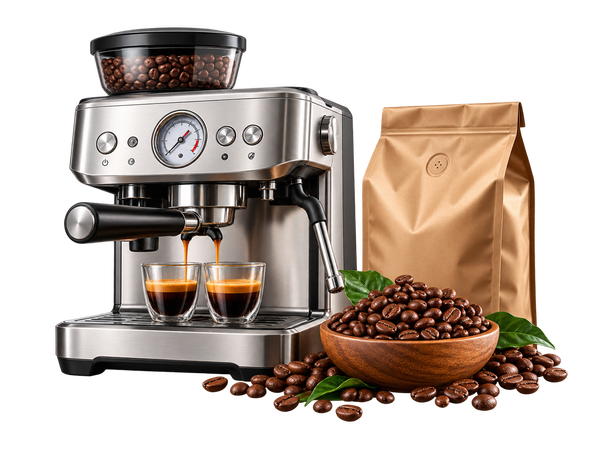
Choosing coffee beans for an espresso machine is not simply a matter of picking the darkest roast on the shelf. The right beans depend on the type of espresso machine, grinder, roast level, and the flavor profile you want in your cup.
What Makes a Good Espresso Bean?
There is no single coffee bean that is perfect for every espresso machine. The best choice depends on freshness, roast level, bean type, and the flavor profile you prefer.
Look for:
- Whole coffee beans rather than pre-ground coffee
- A clearly stated roast date
- Medium to dark roast for traditional espresso flavors
- 100% Arabica or Arabica-Robusta blends depending on your taste
- Fresh beans that can produce good crema and balanced extraction
Darker roasts tend to emphasize chocolate, caramel, nutty, and roasted flavors, while lighter roasts can offer more acidity and fruit or floral notes.
Arabica or Robusta: Which Is Better for Espresso?
Both Arabica and Robusta can work well for espresso. The better choice depends mainly on the flavor, body, and intensity you prefer.
| Bean Type | Flavor & Body | Best For |
|---|---|---|
| 100% Arabica | Smooth, aromatic, often with chocolate, caramel, fruity, or floral notes | Balanced and specialty-style espresso |
| Arabica-Robusta Blend | Fuller body, stronger flavor, more bitterness, often more crema | Traditional, intense espresso |
There is no universal winner. Arabica is a good starting point for a smoother and more aromatic espresso, while an Arabica-Robusta blend may suit those who prefer a stronger, fuller cup.
What Coffee Beans Are Best for JURA Espresso Machines?
JURA automatic espresso machines are designed around integrated grinding and brewing systems, so choosing beans that match your preferred flavor profile is more important than looking for a special “JURA-only” type of coffee.
For a JURA machine, consider:
- Medium roast for balanced everyday coffee
- Medium-dark roast for stronger espresso and milk drinks
- 100% Arabica for smoother, more aromatic coffee
- Arabica-Robusta blends if you prefer more body and intensity
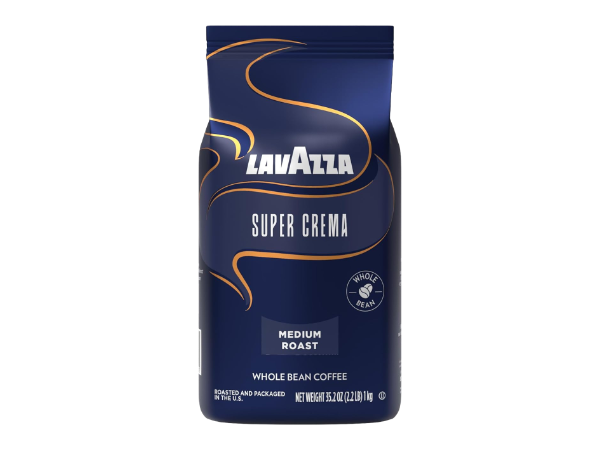
One option is Lavazza Super Crema, a medium-roast Arabica and Robusta blend with a balanced, full-bodied flavor. It works well for espresso, cappuccino, and latte drinks in JURA machines.
Choosing Coffee Beans for De’Longhi Espresso Machines
De’Longhi machines work well with different coffee beans, so roast level and flavor profile are the main factors to consider.
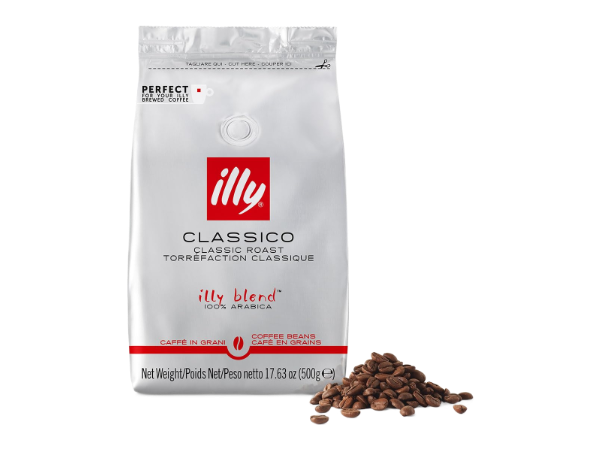
illy Classico is a good option for De’Longhi machines. This medium-roast 100% Arabica coffee has a smooth, balanced flavor with notes of caramel and chocolate.
It works well for everyday espresso and milk-based drinks such as cappuccino, latte, and flat white. Its smooth, balanced profile makes it a versatile choice for De’Longhi automatic espresso machines.
Finding the Right Beans for a Breville Espresso Machine
Breville machines with integrated grinders are particularly suitable for experimenting with different whole-bean coffees.
For Breville, a good starting point is:
- Medium roast for balanced espresso
- Medium-dark roast for traditional espresso
- Light roast if you prefer brighter, fruitier flavors and are comfortable dialing in the grinder
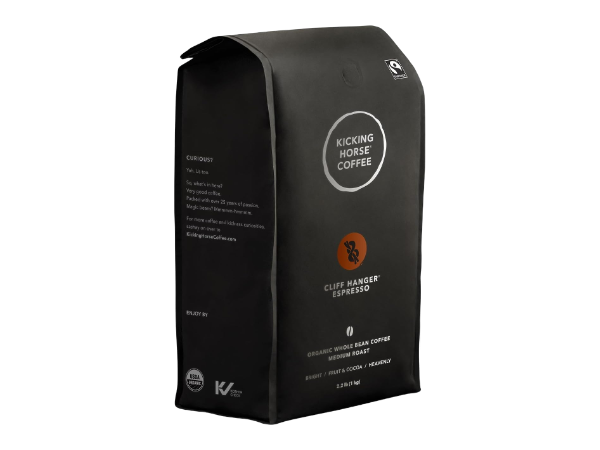
For Breville machines, Kicking Horse Cliff Hanger Espresso is a good option to consider. This medium roast coffee is made from 100% Arabica beans and offers a smooth, balanced flavor.
A Guide to Coffee Beans for Philips Espresso Machines
Philips automatic espresso machines can also be organized into their own coffee-bean cluster.
When choosing beans for a Philips machine, focus on roast level and flavor rather than searching only for beans marketed specifically for Philips.
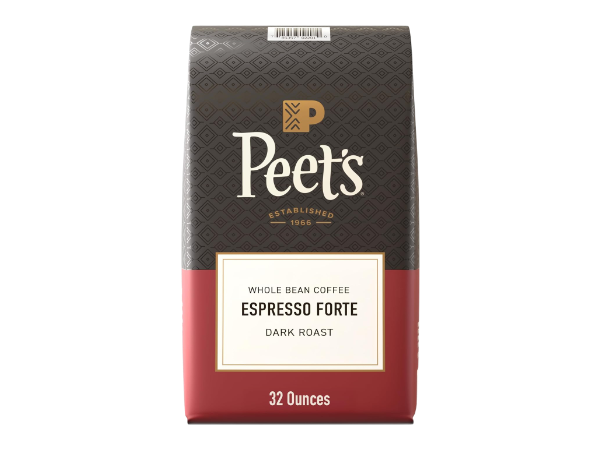
Peet’s Espresso Forte is a good option for Philips espresso machines if you prefer a bold, full-bodied coffee. Its dark roast profile works especially well for traditional espresso and milk-based drinks such as cappuccino and latte.
What Coffee Beans Are Best for Gaggia Espresso Machines?
Gaggia has an especially strong connection with traditional espresso, and the company currently offers several coffee blends specifically under its own coffee line.
Its range includes Espresso 100% Arabica, Espresso Intenso, Espresso Classic, and Decaffeinated. Gaggia describes different flavor and body characteristics for these blends and offers them in bean and ground formats.
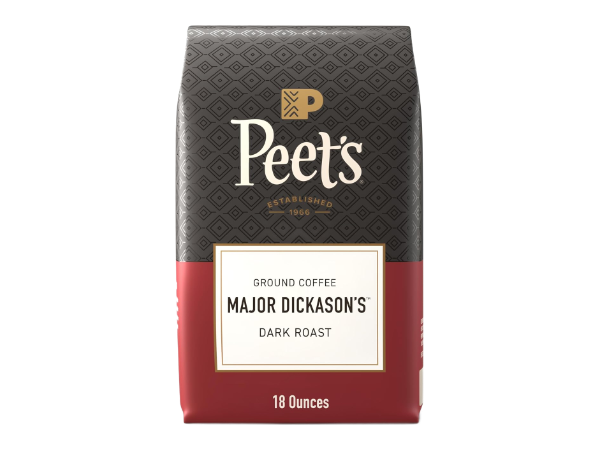
Peet’s Major Dickason’s Blend is a good option for Gaggia espresso machines if you prefer a bold, rich flavor. Its dark roast profile works well for traditional espresso and can also complement milk-based drinks such as cappuccino and latte.
Coffee Beans for Ninja Coffee Machines
Ninja Coffee Machines offer versatile brewing options for espresso, coffee, and specialty drinks. Depending on the model, you can choose from different brew sizes, strengths, and features designed for convenient home brewing.
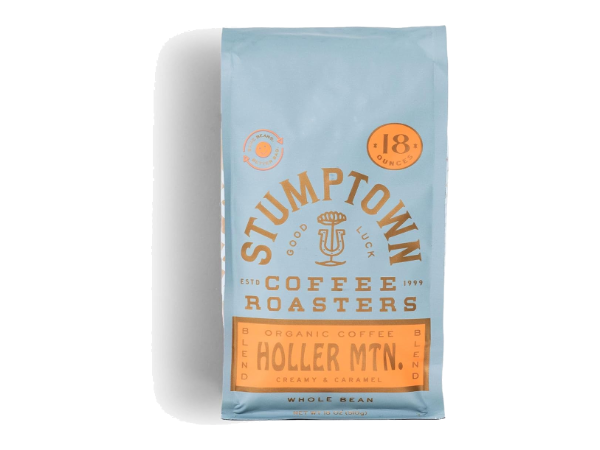
For espresso-focused Ninja machines, medium to dark roast beans are generally a good choice because they provide a rich flavor and enough body for espresso and milk-based drinks.
Finding the Right Beans for a Gevi Espresso Machine
Gevi espresso machines work well with different coffee beans, from smooth medium roasts to bold espresso blends.
Looking for specific recommendations? Explore our guide to the best coffee beans for Gevi espresso machines, featuring eight coffee picks and practical tips on grind size, bean selection, and better espresso extraction.
What Roast Level Is Best for Espresso Machines?
There is no single best roast for espresso. Medium and medium-dark roasts are the most versatile choices, while light and dark roasts offer more specific flavor profiles.
| Roast Level | Typical Flavor | Best For |
|---|---|---|
| Light Roast | Fruity, floral, bright, more acidity | Specialty-style espresso |
| Medium Roast | Balanced, sweet, smooth | Everyday espresso |
| Medium-Dark Roast | Chocolate, caramel, nuts, fuller body | Espresso, cappuccino, and latte |
| Dark Roast | Bold, smoky, roasted, more bitter | Traditional-style espresso |
For most home espresso machines, medium to medium-dark roast is a good starting point. The final choice depends on your preferred flavor and the type of coffee drinks you make.
Whole Beans vs. Pre-Ground Coffee for Espresso

For most espresso machines, whole beans are the better choice, especially if the machine has a built-in grinder. Grinding coffee just before brewing helps retain more of its aroma and flavor.
- Whole Beans: fresher flavor, stronger aroma, and control over grind size.
- Pre-Ground Coffee: convenient and ready to use, but loses freshness faster.
- Built-in Grinder: whole beans allow you to adjust the grind for better extraction.
- No Grinder: freshly ground espresso coffee is a practical option.
Whole beans are particularly useful when you want to fine-tune your espresso. Different beans may require slightly different grind settings, while pre-ground coffee gives you less control.
What Grind Size Should You Use for Espresso?
Espresso generally requires a fine, consistent grind to allow the water to extract the coffee properly under pressure. However, the exact setting depends on the beans, grinder, and espresso machine.
- Too coarse: water flows too quickly, often producing weak or sour espresso.
- Fine grind: slows the flow and allows more complete extraction.
- Too fine: can restrict the flow and result in bitter or over-extracted coffee.
- Fresh beans: may require a different setting than older beans.
A good approach is to start with a fine espresso setting and adjust gradually. If the shot runs too quickly, grind finer; if it runs too slowly, grind slightly coarser.