Choosing coffee for an espresso machine is not only about picking a familiar brand. Arabica beans can produce everything from a bright, fruity shot to a smooth espresso with chocolate and caramel notes.
What Is Arabica Coffee and Why Is It Good for Espresso?
Arabica (Coffea arabica) is one of the main coffee species used around the world. Compared with many Robusta-based coffees, Arabica is often valued for its more nuanced aroma, acidity, sweetness, and wider range of flavor notes.
Arabica can work especially well when you want:
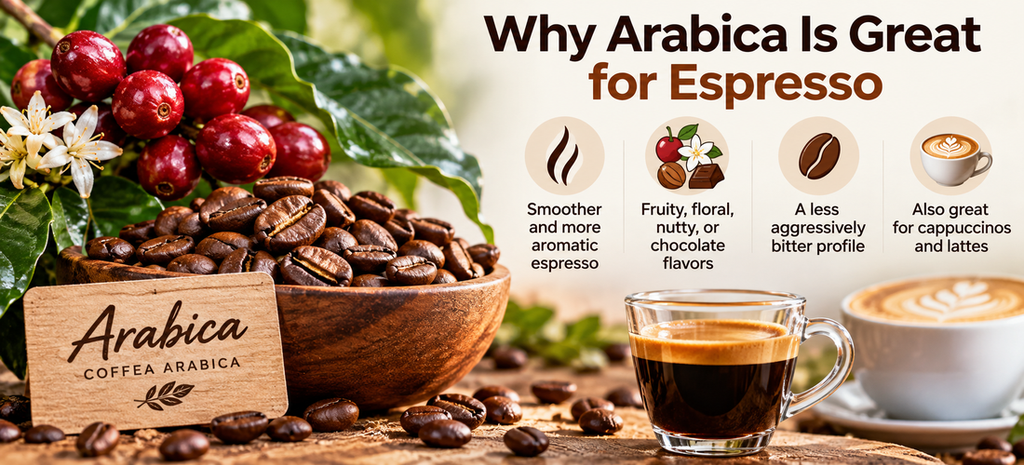
- A smoother and more aromatic espresso
- Fruity, floral, nutty, or chocolate flavors
- A less aggressively bitter profile
- Coffee that also works well in cappuccinos and lattes
However, Arabica does not automatically mean better espresso. Freshness, grind size, roast profile, and extraction have a major impact on the final cup.
Best Arabica Coffee Beans for Espresso: Top Picks to Try
Below are some popular options worth considering, from smooth and balanced blends to more distinctive coffees with fruity, floral, or chocolate notes.
Lavazza Espresso Whole Bean Coffee
The blend offers an aromatic profile, a rich body, and floral and fruity notes. Compared with darker espresso blends, it provides a lighter, more aromatic direction for an iced latte.
Key features:
- Roast level: Light, according to Lavazza’s US product page
- Bean type: 100% Arabica
- Coffee origins: Central and South America
- Flavor notes: Floral and fruity
- Intensity: 5/10
- Best for: Aromatic iced lattes with a lighter flavor profile
This coffee is worth trying if you enjoy a latte with more delicate flavors instead of pronounced dark-roast bitterness.

illy Classico Whole Bean Coffee
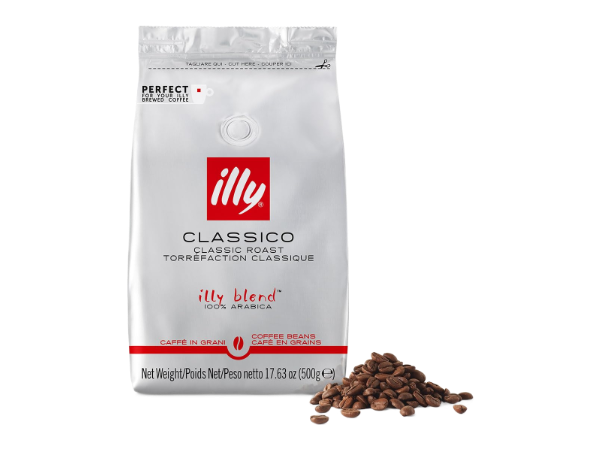
illy Classico is a medium-roast coffee made from a blend of 100% Arabica beans. It has a smooth, velvety character with delicate notes of caramel, orange blossom, and jasmine, followed by a sweet finish.
Key features:
- Roast level: Medium
- Bean type: 100% Arabica
- Flavor notes: Caramel, orange blossom, and jasmine
- Flavor profile: Smooth, aromatic, and sweet
- Flavor intensity: 5/9
- Best for: Balanced iced lattes and versatile home brewing
illy Classico is a good option if you prefer a refined coffee flavor without an overly bitter finish.
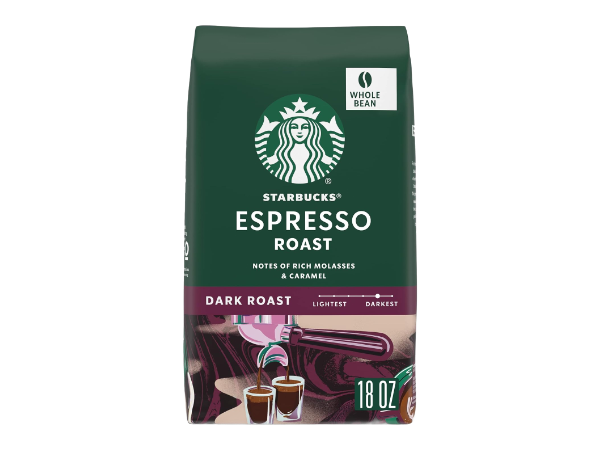
Starbucks Espresso Roast Whole Bean Coffee
Starbucks Espresso Roast is a dark-roasted coffee blend developed as the foundation for the company’s espresso drinks. Its signature flavor combines rich molasses notes with bold caramel-like sweetness.
Key features:
- Roast style: Dark espresso roast
- Bean format: Whole bean
- Flavor notes: Rich molasses and caramel
- Flavor profile: Bold, rich, and sweet
- Recommended brewing method: Espresso
- Best for: Strong iced lattes and caramel coffee drinks
Starbucks Espresso Roast is a practical choice for anyone who enjoys coffee-shop-style iced lattes at home.
Building the Right Espresso Grind From Fresh Arabica Beans
A good espresso starts with the right grind. Fresh Arabica beans should usually be ground fine enough to create steady resistance during extraction, but the ideal setting varies with the roast, bean density, grinder, and espresso machine.
A Simple Grind-Dialing Guide:
| What you notice | What to try next |
|---|---|
| Shot gushes out and finishes too quickly | Grind finer |
| Shot barely flows or takes too long | Grind slightly coarser |
| Espresso tastes sharp, sour, or underdeveloped | Try a finer grind and check the extraction time |
| Espresso tastes very bitter or dry | Try a slightly coarser grind or a shorter ratio |
| Flavor is balanced but weak | Consider a slightly finer grind or a larger dose |
How to Dial In Fresh Arabica
Start with a small adjustment rather than changing several variables at once. Keep the coffee dose and water ratio consistent, then change the grind until the espresso flows evenly and tastes balanced.
Freshly roasted Arabica can also need a different setting as it ages. For this reason, dialing in your grinder is an ongoing process rather than a one-time adjustment.
Single-Origin vs. Blend: Which Arabica Beans Should You Choose?
Single-origin coffee usually highlights the distinctive characteristics of one region, while a blend combines beans from different origins to create a more balanced and consistent flavor.
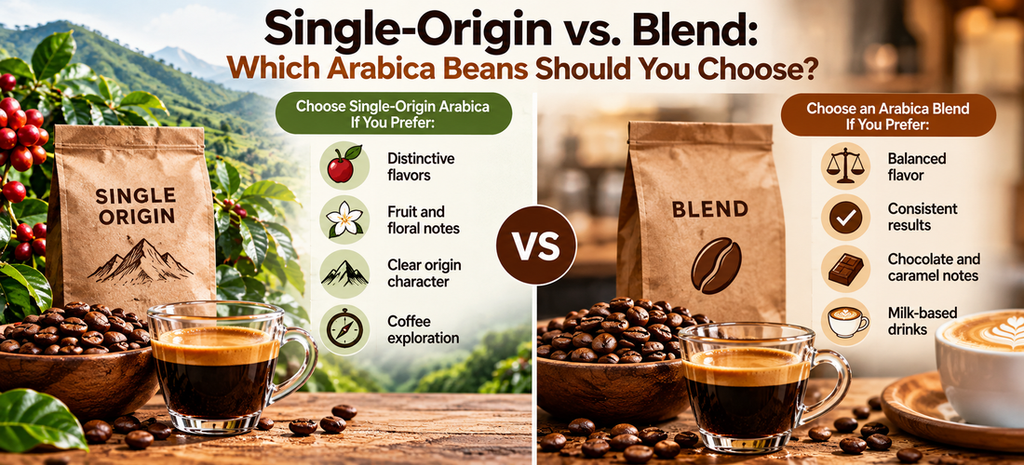
Choose Single-Origin Arabica If You Prefer:
- Distinctive flavors
- Fruit and floral notes
- Clear origin character
- Coffee exploration
Choose an Arabica Blend If You Prefer:
- Balanced flavor
- Consistent results
- Chocolate and caramel notes
- Milk-based drinks
For most home espresso drinkers, an Arabica blend is the easier starting point because it tends to offer a balanced and forgiving profile.
How Roast Level Changes the Espresso in Your Cup
Roast level strongly influences how Arabica tastes in espresso, affecting its acidity, sweetness, body, and bitterness.
Light roast:
Usually brighter and more acidic, with greater emphasis on fruit and floral notes. It can be rewarding but may require more precise dialing-in.
Medium roast:
A good all-purpose option for many home espresso machines. It can balance sweetness, acidity, body, and origin character.
Medium-dark roast:
Often gives a heavier body with chocolate, caramel, nutty, and toasted flavors. It is particularly popular for traditional espresso and milk drinks.
Dark roast:
Produces a bolder, more intense profile with roasted, smoky, or bittersweet characteristics. It can work well when you prefer strong-tasting espresso.
For a first bag, medium or medium-dark Arabica is usually the easiest place to start.
From Bean to Shot: A Simple Arabica Espresso Brewing Guide
You do not need an elaborate recipe to begin. Start with a repeatable process and make small adjustments as you learn how your Arabica beans behave.
Basic espresso setup
- Use fresh whole Arabica beans.
- Grind shortly before brewing.
- Use a consistent dose for your basket.
- Distribute the grounds evenly.
- Tamp level and firmly.
- Start the shot and observe the flow.
- Adjust the grind based on taste and extraction speed.
As a practical starting point, many espresso recipes use around 18–20 grams of coffee for a double shot, but the correct dose depends on the basket and machine.
For example, Stumptown’s current Hair Bender espresso guide uses about 19–21 grams and recommends adjusting the grind when the shot runs too quickly or too slowly.