
Light roast espresso beans offer a different experience from traditional dark espresso roasts. Instead of emphasizing smoky or heavily roasted flavors, they can highlight fruit, citrus, floral, and sweet notes from the coffee itself.
What Are Light Roast Espresso Beans?
Light roast espresso beans are coffee beans roasted for less time than medium or dark roasts. Because the roasting process has less influence on the final flavor, more of the coffee’s natural characteristics can remain noticeable.
Light Roast Espresso at a Glance:
| Characteristic | Light Roast Espresso |
|---|---|
| Flavor | Fruity, floral, citrus, sweet |
| Acidity | Usually more noticeable |
| Body | Light to medium |
| Roast flavor | Relatively low |
| Best for | Straight espresso and modern milk drinks |
| Brewing | Often requires careful dialing-in |
Depending on the origin and processing method, a light roast may have notes of berries, stone fruit, citrus, flowers, tea, or honey.
Best Light Roast Espresso Beans: Top Picks
The best choice depends on whether you prefer fruit-forward espresso, floral flavors, or a more balanced cup. The following options illustrate several styles of lighter espresso.
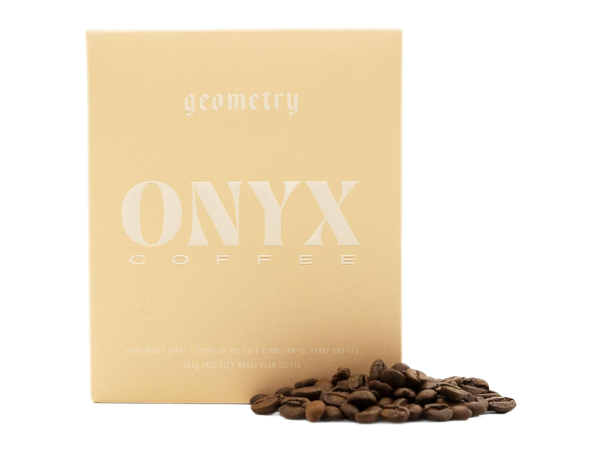
Onyx Coffee Lab Geometry
Geometry is a light roast blend from Onyx Coffee Lab designed for both filter brewing and espresso. The current blend combines coffees from Colombia and Ethiopia and lists berries, stone fruit, Earl Grey, and honeysuckle among its flavor characteristics.
Key features:
- Light roast
- Colombia and Ethiopia
- Berries and stone fruit
- Earl Grey and honeysuckle notes
- Suitable for espresso and filter
This makes Geometry an interesting option for espresso drinkers who want noticeable fruit and floral character without choosing an extremely light single-origin coffee.
Counter Culture Apollo
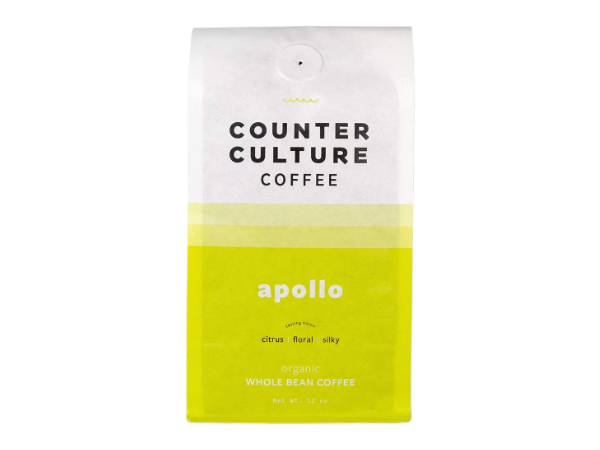
Apollo is a medium-light roast from Counter Culture Coffee rather than an extremely pale light roast. It uses Ethiopian coffee and is described with citrus, floral, and silky characteristics.
Key features:
- Medium-light roast
- 100% Ethiopian coffee
- Citrus notes
- Floral character
- Silky mouthfeel
- Suitable for modern espresso styles
Its slightly less aggressive roast profile can make it a useful middle ground for people who want brighter espresso but are not ready for very light specialty roasts.
Onyx Coffee Lab Tropical Weather
Tropical Weather is another lighter option from Onyx. The current product listing describes it as a light roast with mixed berry, sweet tea, raw honey, and plum characteristics.
Key features:
- Light roast
- Mixed berry profile
- Sweet tea notes
- Raw honey character
- Plum notes
- Suitable for espresso and specialty brewing
It can appeal to espresso drinkers who prefer a more fruit-driven cup rather than traditional chocolate-heavy espresso.

Tip: Roast levels and available coffee lots can change over time, especially with specialty coffee. Check the current product page and roast date before buying.
Best Light Roast Beans for Home Espresso Machines
For a beginner, a medium-light or approachable light roast may be easier to work with than an extremely light coffee. Once you become comfortable adjusting grind size and extraction, you can experiment with brighter single-origin coffees.
When buying beans for a home espresso machine, look for:
- A recent roast date
- Whole beans rather than pre-ground coffee
- Espresso or omni-roast suitability
- Flavor notes that match your preferences
- A grinder capable of fine adjustments
For the best results, use Lavazza Organic Light Roast Arabica while the beans are still fresh. Freshly roasted coffee can deliver a cleaner cup, brighter flavors, and a more balanced espresso extraction.

Why Choose Light Roast Beans for Espresso?
Dark espresso blends often emphasize chocolate, caramel, nuts, toast, and smoky roast characteristics. Light roasts can shift the focus toward the coffee’s origin and processing, allowing more delicate flavors to come through.
You may prefer light roast espresso if you enjoy:
- Fruity or berry flavors
- Floral aromas
- Citrus-like acidity
- Tea-like cups
- A cleaner finish
- More noticeable differences between coffee origins
Light roasts can also be particularly interesting when drinking espresso without milk. In a latte or cappuccino, their brighter flavors can still work, although very delicate coffees may become less noticeable as more milk is added.
Light Roast vs. Medium Roast Espresso
The difference is not simply about how strong the coffee tastes. Roast level changes the balance between roast character and the characteristics of the underlying coffee.

Medium roast can be a practical starting point if you want a combination of sweetness, body, and acidity. Light roast is more suitable if you specifically want the origin and processing characteristics to stand out.
How to Brew Light Roast Espresso
Light roast espresso usually benefits from a more careful approach than darker beans. If your shot tastes sharp, sour, or thin, the coffee may be under-extracted.
Start with your espresso machine’s normal settings and adjust gradually rather than changing several variables at once.

1. Use a fine enough grind
Light beans can require a finer grind to achieve sufficient extraction. Make small adjustments and observe how the shot changes.
2. Pay attention to water temperature
A somewhat higher brewing temperature can help extract more flavor from light roasted coffee. The exact setting depends on the machine and the particular beans.
3. Keep the dose consistent
Use the same dose while dialing in the coffee. This makes it easier to understand whether a grind adjustment actually improved the shot.
4. Watch the extraction
If the espresso tastes sour, salty, or unusually thin, try extracting more. A finer grind or longer extraction can help.
If it tastes dry, harsh, or overly bitter, extraction may have gone too far.
5. Taste before making another adjustment
Change one variable at a time. Espresso can respond dramatically to small changes, and keeping notes can make dialing in a new light roast much easier.
Are Light Roast Beans Good for Espresso?
Yes, light roast beans can be excellent for espresso. They simply produce a different style of shot from traditional dark espresso blends.
If you prefer bright acidity, fruit, floral aromas, and complex flavors, light roast espresso can be especially interesting. If you prefer a heavier body with strong chocolate, caramel, or roasted flavors, a medium or dark roast may be closer to your taste.
For a first experiment, a medium-light roast or an approachable light espresso blend can be a good starting point. More experienced home baristas can then move toward very light single-origin coffees and explore how origin and processing affect the espresso.