Light roast coffee is roasted for less time than medium or dark coffee, allowing more of the bean’s original characteristics to remain. It is known for brighter acidity, lighter body, and flavors that can include fruit, flowers, citrus, honey, and berries.
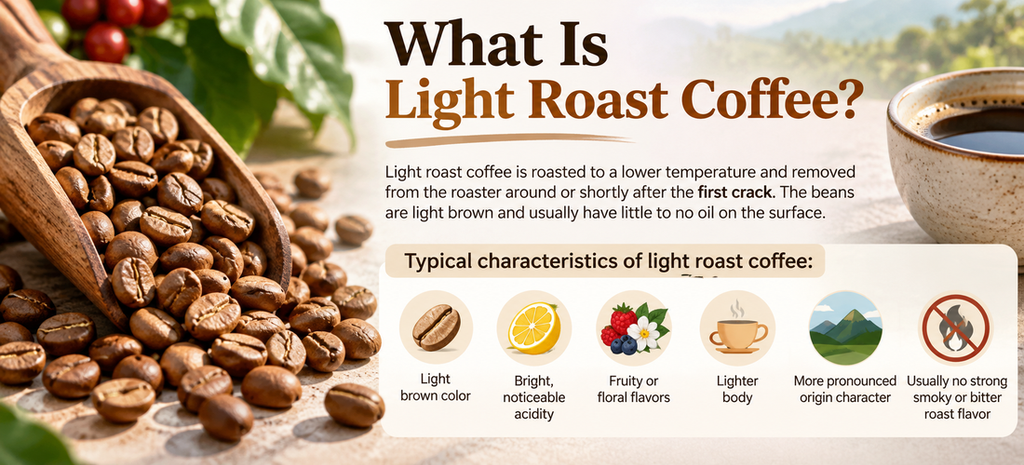
What Is Light Roast Coffee?
Light roast coffee is typically roasted to a lower internal temperature and removed from the roaster around or shortly after the first crack. The beans usually have a light brown color and little to no visible oil on the surface.
Typical characteristics of light roast coffee:
- Light brown color
- Bright, noticeable acidity
- Fruity or floral flavors
- Lighter body
- More pronounced origin character
- Usually no strong smoky or bitter roast flavor
The final cup can taste quite different depending on the bean’s country, variety, processing method, and brewing technique.
3 Best Light Roast Coffees to Try
Choosing a light roast is easier when you know which flavor profile you prefer. Some coffees are bright and fruity, while others are sweeter, more floral, or smoother with mild acidity.
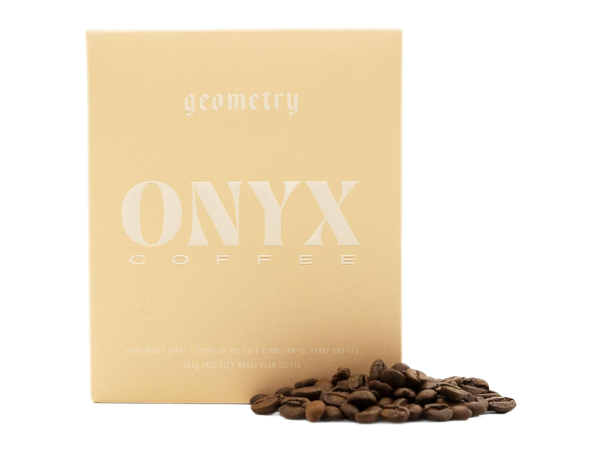
Onyx Coffee Lab Geometry
Geometry is a light roast blend from Onyx Coffee Lab designed for both filter brewing and espresso. The current blend combines coffees from Colombia and Ethiopia and lists berries, stone fruit, Earl Grey, and honeysuckle among its flavor characteristics.
Key features:
- Light roast
- Colombia and Ethiopia
- Berries and stone fruit
- Earl Grey and honeysuckle notes
- Suitable for espresso and filter
This makes Geometry an interesting option for espresso drinkers who want noticeable fruit and floral character without choosing an extremely light single-origin coffee.
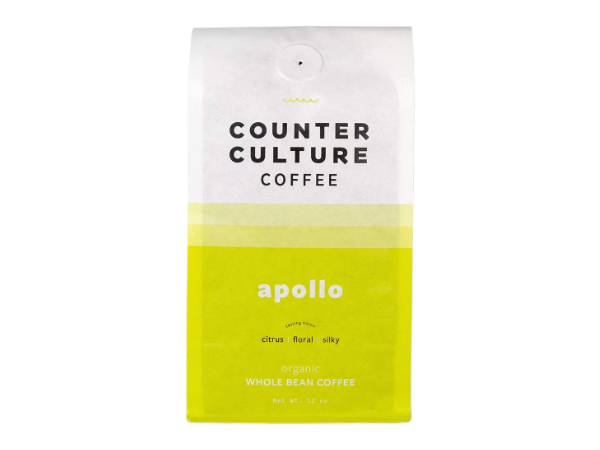
Counter Culture Apollo
Apollo is a medium-light roast from Counter Culture Coffee rather than an extremely pale light roast. It uses Ethiopian coffee and is described with citrus, floral, and silky characteristics.
Key features:
- Medium-light roast
- 100% Ethiopian coffee
- Citrus notes
- Floral character
- Silky mouthfeel
- Suitable for modern espresso styles
Its slightly less aggressive roast profile can make it a useful middle ground for people who want brighter espresso but are not ready for very light specialty roasts.
Onyx Coffee Lab Tropical Weather
Tropical Weather is another lighter option from Onyx. The current product listing describes it as a light roast with mixed berry, sweet tea, raw honey, and plum characteristics.
Key features:
- Light roast
- Mixed berry profile
- Sweet tea notes
- Raw honey character
- Plum notes
- Suitable for espresso and specialty brewing
It can appeal to espresso drinkers who prefer a more fruit-driven cup rather than traditional chocolate-heavy espresso.

What Does Light Roast Coffee Taste Like?
Light roast coffee often tastes more like the coffee bean itself and less like the roasting process. Because the beans spend less time at high temperatures, their natural flavors remain more noticeable in the finished cup.
Common flavor notes include:
Fruity: berries, apple, peach, cherry, tropical fruit
Citrusy: lemon, orange, grapefruit
Floral: jasmine, tea-like or orange blossom notes
Sweet: honey, brown sugar, caramel
Herbal: tea, herbs, or subtle savory notes
Ethiopian beans may be floral and fruity, while Colombian beans can offer a more balanced combination of sweetness and acidity.
Light Roast Coffee Acidity Explained
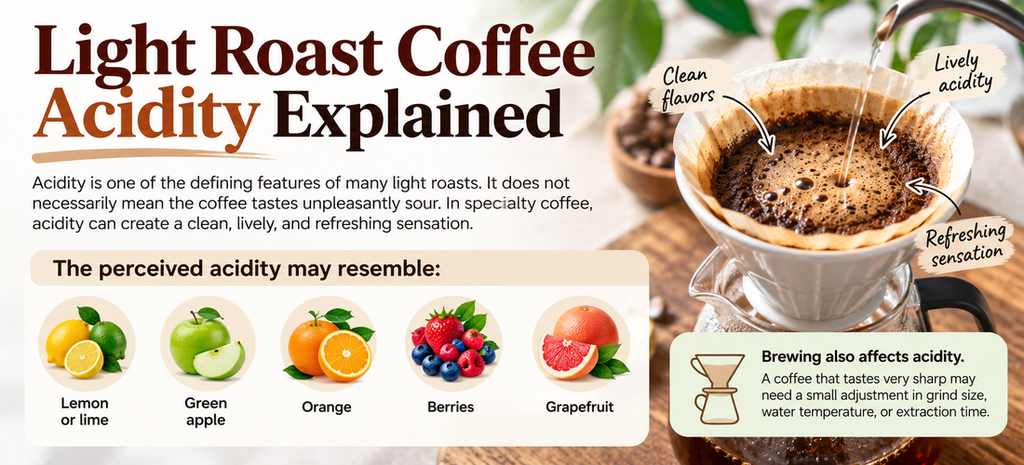
Acidity is one of the defining features of many light roasts. It does not necessarily mean the coffee tastes unpleasantly sour. In specialty coffee, acidity can create a clean, lively, and refreshing sensation.
The perceived acidity may resemble:
- Lemon or lime
- Green apple
- Orange
- Berries
- Grapefruit
Brewing also affects acidity. A coffee that tastes very sharp may need a small adjustment in grind size, water temperature, or extraction time.
Light Roast vs. Medium Roast vs. Dark Roast
Light, medium, and dark roast coffee differ mainly in roasting time and temperature, which affects the beans’ color, flavor, acidity, and body.
Light Roast
- Light brown beans with little surface oil
- Bright acidity and lighter body
- Fruity, floral, citrus, or tea-like flavors
- Stronger expression of the bean’s origin
Medium to Dark Roast
- Medium roast: balanced acidity, sweetness, and body
- Dark roast: fuller body with lower perceived acidity
- Medium roast can taste nutty, caramel-like, or chocolatey
- Dark roast often has smoky, bitter, toasted, or cocoa-like notes
Light roast is ideal for drinkers who enjoy complex and lively flavors, medium roast offers a more balanced cup, while dark roast works well for those who prefer a bold, rich, and intensely roasted profile.
Caffeine Content in Light Roast Coffee
Light roast coffee does not automatically contain dramatically more caffeine than medium or dark roast. The caffeine difference between roast levels is relatively small, especially when the same amount of coffee is measured by weight.
For a typical brewed light roast, you can use these numbers as practical averages:
- 8 oz (240 ml): about 80–100 mg of caffeine
- 12 oz (355 ml): about 120–150 mg
- 16 oz (475 ml): about 160–200 mg
- 20 oz (590 ml): about 200–250 mg
A stronger brew made with a larger coffee dose can easily contain more caffeine than a weaker cup, even when both are labeled light roast.
How to Brew Light Roast Coffee
Light roast beans can be less forgiving than darker roasts, especially when they are roasted very lightly. They often benefit from slightly higher temperatures and thorough extraction.
A simple starting point for pour-over:
- Use a medium-fine grind.
- Start with water around 200–205°F (93–96°C).
- Use roughly 1 gram of coffee for every 16 grams of water.
- Pour slowly and evenly.
- Taste the coffee and adjust the grind if necessary.
If the cup tastes sour, thin, or sharp, the coffee may be under-extracted. A finer grind or longer brewing time can help. If it tastes overly dry or bitter, try a slightly coarser grind or shorter extraction.