Choosing your first espresso beans can be confusing. Some coffees are easier to extract than others, while roast level and flavor can make a big difference in the cup.
What Makes an Espresso Bean Beginner-Friendly?
Beginner-friendly espresso beans should be relatively easy to dial in and should produce a balanced cup without requiring extremely precise brewing adjustments.
Look for these characteristics:
- Medium to medium-dark roast
- Balanced acidity and sweetness
- Chocolate, caramel, nutty, or cocoa notes
- Good body and crema
- Whole beans that can be freshly ground
- A blend rather than an especially delicate single-origin coffee
A forgiving espresso bean can make learning easier because small changes in grind size or extraction time are less likely to produce an unpleasant cup.
Best Espresso Beans for Beginners: 10 Top Picks
Our 10 beginner-friendly espresso bean picks cover a range of roast levels and flavor profiles, from smooth and balanced blends to bold dark roasts.
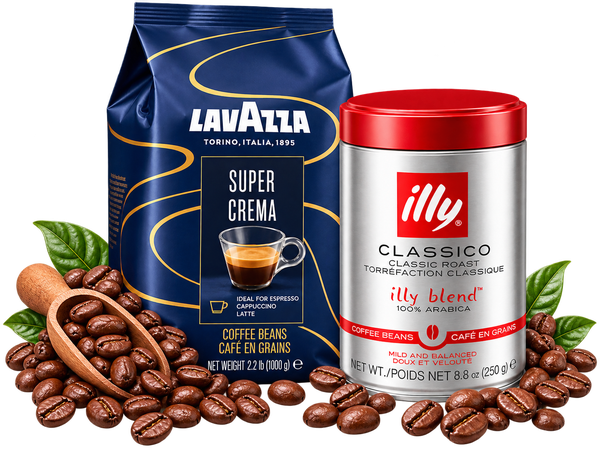
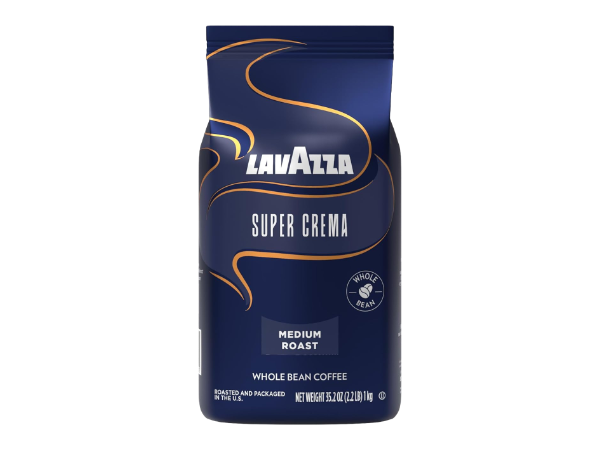
Lavazza Super Crema
Lavazza Super Crema is a classic Italian-style espresso blend that can be a comfortable starting point for beginners. It combines Arabica and Robusta and is known for a full body, creamy texture, and sweet nutty character.
- Bean type: Arabica and Robusta blend
- Roast: Medium/light-medium profile
- Flavor: Roasted hazelnut and brown sugar
- Body: Full and rounded
- Aroma: Honey and nutty notes
- Best for: Espresso, cappuccino, and latte
Super Crema is especially appealing if you want a traditional espresso style without an overly sharp flavor profile.
illy Classico
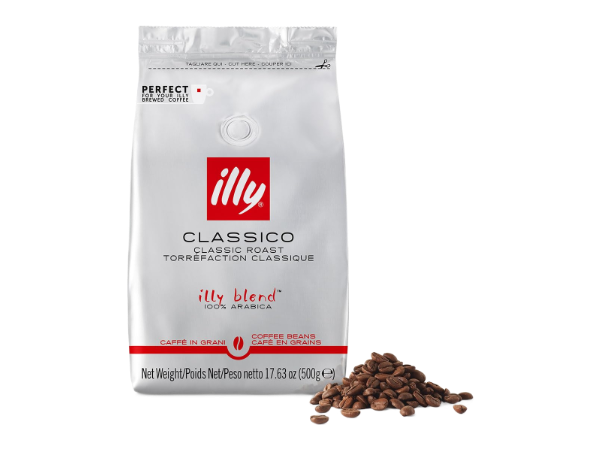
illy Classico is a medium-roast 100% Arabica blend designed around a smooth and balanced flavor. Its softer profile makes it suitable for beginners who prefer espresso with sweetness and aromatic notes rather than a heavily roasted taste.
- Bean type: 100% Arabica
- Roast: Medium
- Flavor: Caramel, orange blossom, and jasmine
- Finish: Sweet and lingering
- Style: Smooth and aromatic
- Best for: Straight espresso and lighter milk drinks
It can also introduce beginners to floral and citrus-like coffee characteristics without going straight to an extremely light specialty roast.
Stumptown Hair Bender
Stumptown Hair Bender is the company’s signature espresso blend and combines coffees from Latin America, Indonesia, and East Africa.
- Blend: Latin America, Indonesia, and East Africa
- Flavor: Dark chocolate, citrus, and raisin
- Style: Balanced and layered
- Espresso: Designed to perform well as espresso
- Body: Rich and full
- Other uses: Drip, pour-over, and French press
Hair Bender is particularly interesting for beginners who do not want to limit themselves to traditional dark espresso flavors.

Kicking Horse Cliff Hanger Espresso
Kicking Horse Cliff Hanger Espresso offers a brighter alternative to traditional dark espresso blends. It is made with organic Arabica beans and combines berry-like sweetness with cocoa, creating a more modern and lively cup.
- Bean type: 100% Arabica
- Origin: Indonesia, Central and South America
- Flavor: Wild berry, cocoa, and milk chocolate
- Aroma: Blackcurrant, milk chocolate, and brown sugar
- Body: Smooth and silky
- Brewing: Espresso, drip, pour-over, and French press
Compared with heavily roasted beans, Cliff Hanger allows more of the bean’s sweet and bright characteristics to show through.
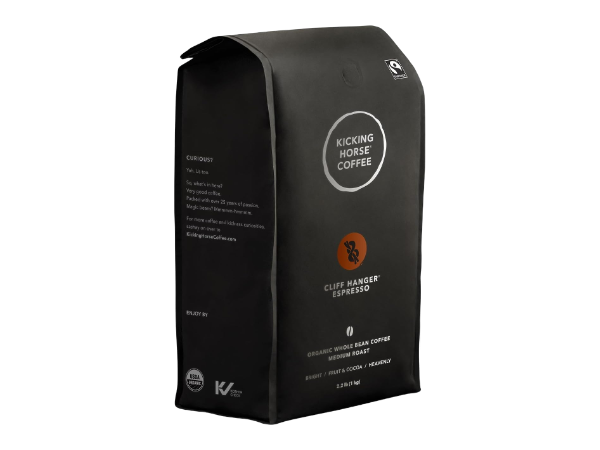
Peet’s Espresso Forte
Peet’s Espresso Forte is a dark-roast blend created specifically for espresso. It emphasizes body and crema while combining chocolate, hazelnut, citrus, and earthy characteristics.
- Roast: Dark
- Flavor: Chocolate truffle, lemon curd, and hazelnut
- Body: Stout and rich
- Crema: Designed to produce a generous crema
- Blend character: Earthy depth with lively spice
- Best for: Espresso, cappuccino, latte, and macchiato
Espresso Forte is worth considering if your idea of espresso is bold, rich, and intense. The darker roasting gives it enough character to remain noticeable when combined with steamed milk.
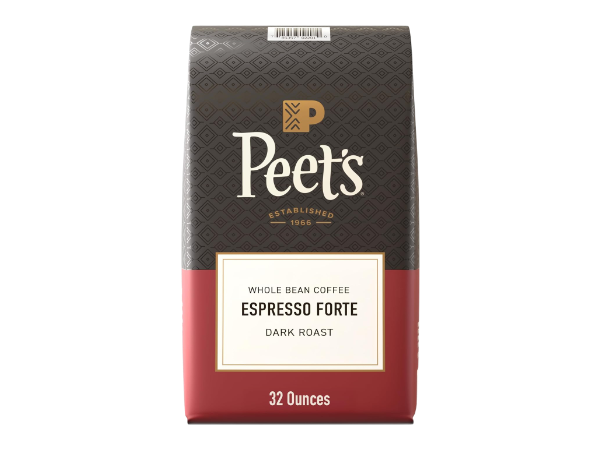
Kicking Horse Three Sisters
Kicking Horse Three Sisters is a distinctive blend made from organic Arabica coffees from Central and South America. The blend combines different roast levels, creating a rounded profile with stone-fruit and cocoa characteristics.
- Bean type: Organic Arabica
- Origin: Central and South America
- Roast: Blend of light, medium, and dark roasts
- Flavor: Stone fruit and cocoa
- Aroma: Dried fruit, toasted coconut, and chocolate malt
- Body: Well-rounded and complex
Three Sisters is a useful choice for beginners who want a versatile everyday coffee rather than an aggressively roasted espresso.

Intelligentsia Black Cat Espresso
Intelligentsia’s Black Cat line is aimed specifically at espresso and includes several current versions. Black Cat Classic is the lighter espresso profile, with a syrupy sweetness and vivid fruit acidity, while Black Cat Analog is darker and more chocolate-driven.
- Style: Specialty espresso blend
- Black Cat Classic: Cherry, cola, and orange
- Black Cat Analog: Dark chocolate, toasted marshmallow, and baking spices
- Classic profile: Sweeter and more fruit-forward
- Analog profile: Fuller and more traditional
- Best for: Espresso and milk-based drinks
Classic suits those who want brighter fruit and acidity, while Analog is designed for a fuller, chocolate-focused espresso that works especially well with milk.
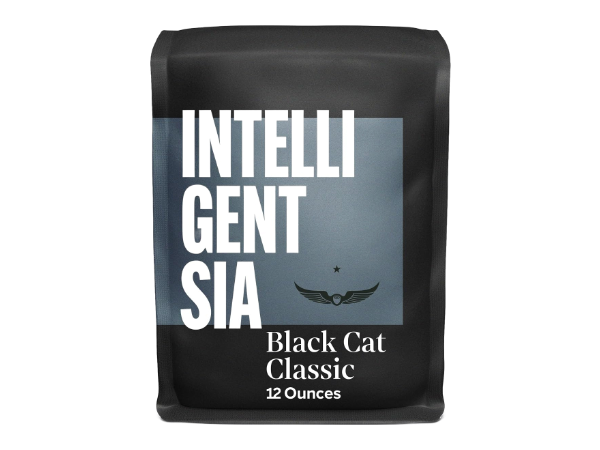
Peet’s Major Dickason’s Blend
Peet’s Major Dickason’s Blend is a dark-roast coffee built around Latin American and Indo-Pacific beans. It has a strong earthy and spicy character and is available in formats suitable for espresso preparation.
- Roast: Dark
- Origin: Latin America and Indo-Pacific
- Flavor: Earthy and spicy
- Style: Bold and full-bodied
- Best for: Strong espresso and milk drinks
- Alternative use: Drip and French press
Its pronounced roast character can work particularly well in lattes and cappuccinos, where a stronger coffee flavor can balance the milk.
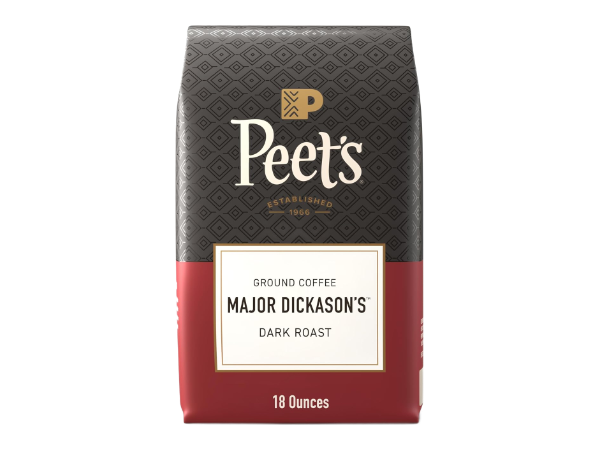
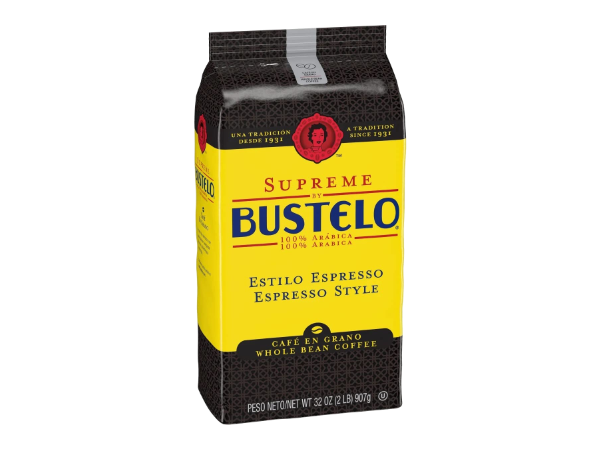
Café Bustelo Espresso
Café Bustelo Espresso Style is known for its rich, bold Latin-inspired coffee character. The company describes it as a dark-roasted espresso-style coffee that can be prepared in several ways, including espresso machines and stovetop moka pots.
- Style: Espresso-style dark roast
- Flavor: Rich and bold
- Texture: Full-bodied
- Preparation: Espresso machine or moka pot
- Other methods: Drip and French press
- Best for: Strong everyday coffee and milk drinks
Café Bustelo can be an approachable option for someone who wants an inexpensive and familiar bold coffee style.
Café Don Pablo Espresso Roast
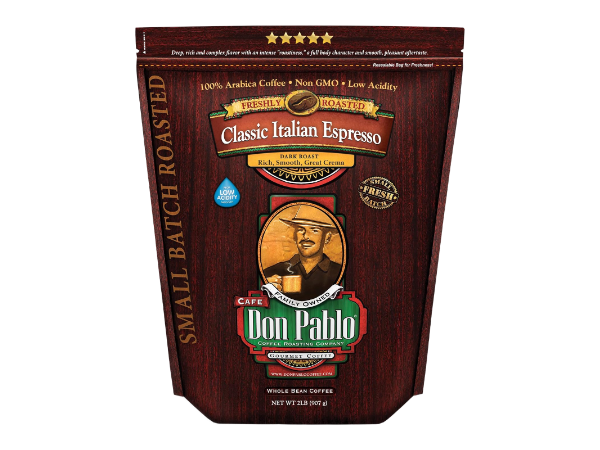
Café Don Pablo offers several dark and medium-dark coffees that are commonly used for espresso, including its Classic Italian Espresso. The blend is associated with a rich, full-bodied profile and flavors that work well with milk-based coffee drinks.
- Style: Italian-inspired espresso
- Roast: Medium-dark to dark, depending on the specific product
- Flavor: Chocolate, caramel, and roasted notes
- Body: Full and smooth
- Bean type: Arabica blends are available
- Best for: Espresso, lattes, and cappuccinos
Café Don Pablo is a sensible option for beginners who prefer a deeper coffee flavor without moving immediately into highly specialized espresso profiles.
What Flavor Profile Should a Beginner Choose?
The best flavor profile depends on how you plan to drink your espresso.
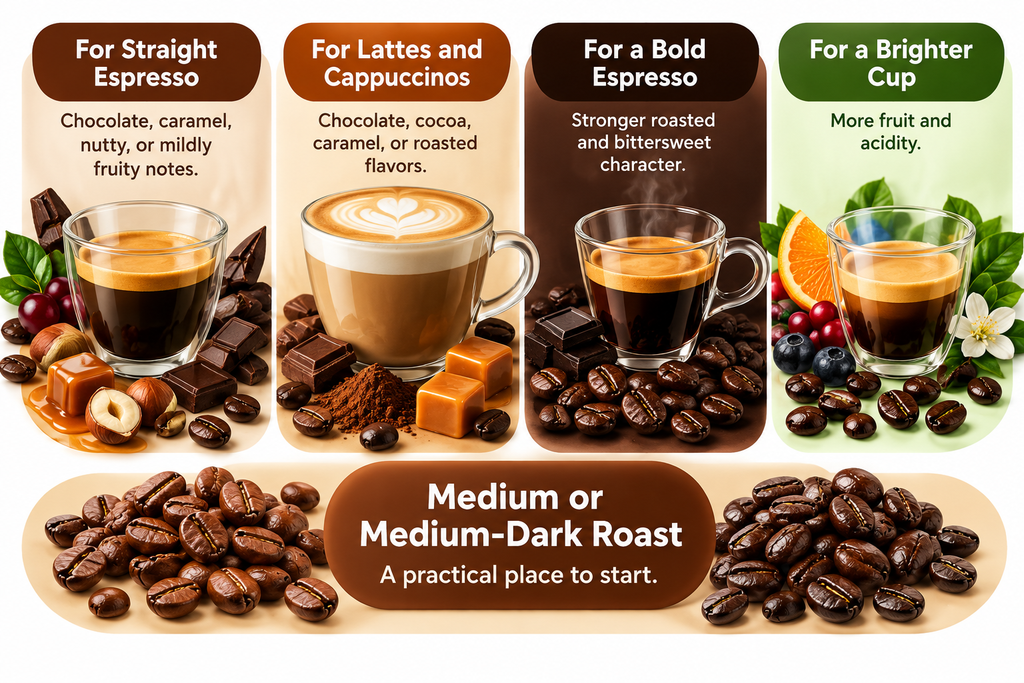
For straight espresso:
Choose balanced beans with chocolate, caramel, nutty, or mildly fruity notes.
For lattes and cappuccinos:
Look for beans with chocolate, cocoa, caramel, or roasted flavors. These tend to remain noticeable when combined with milk.
For a bold espresso:
A dark roast can provide a stronger roasted and bittersweet character.
For a brighter cup:
Medium or lighter roasts can offer more fruit and acidity, although they may require more careful dialing in.
If you are completely new to espresso, a medium or medium-dark roast is a practical place to start.
Medium vs. Dark Roast: Which Is Easier for Beginners?
Both can work, but they produce noticeably different results.
| Feature | Medium Roast | Dark Roast |
|---|---|---|
| Flavor | Balanced, sweet, varied | Bold, roasted, bittersweet |
| Acidity | Moderate | Usually lower |
| Body | Medium to full | Full |
| Milk drinks | Very good | Excellent |
| Learning curve | Moderate | Often forgiving |
Medium roast is a good choice if you want to explore different flavors.
Dark roast may be preferable if you want a traditional, intense espresso with strong roasted notes.
For many beginners, medium-dark roast offers a useful middle ground.
Whole Bean or Pre-Ground Espresso Coffee?
Whole bean is usually the better choice if you have a burr grinder. Grinding immediately before brewing helps preserve the coffee’s aroma and allows you to adjust the grind for your espresso machine.
Pre-ground coffee is more convenient, especially if you do not own a grinder. However, you have less control over the grind size, which can make dialing in espresso more difficult.
For beginners with an espresso machine and grinder, the basic setup is:
Whole beans → burr grinder → fresh grind → espresso machine
The ability to make small grind adjustments is especially useful when learning how to get the right extraction.
How Fresh Should Beginner Espresso Beans Be?
Freshness matters, but you do not necessarily need coffee roasted yesterday.
Instead of focusing only on the expiration date, check the roast date when available. Espresso beans generally benefit from some resting time after roasting because freshly roasted coffee releases carbon dioxide.
For beginners, look for:
- A clearly listed roast date
- Properly sealed packaging
- Whole beans rather than old pre-ground coffee
- A reasonable amount of coffee that you can use while it remains fresh
Avoid buying a very large bag if you only make a few espresso drinks each week. Smaller bags can help you maintain better freshness while you learn which beans you like.