
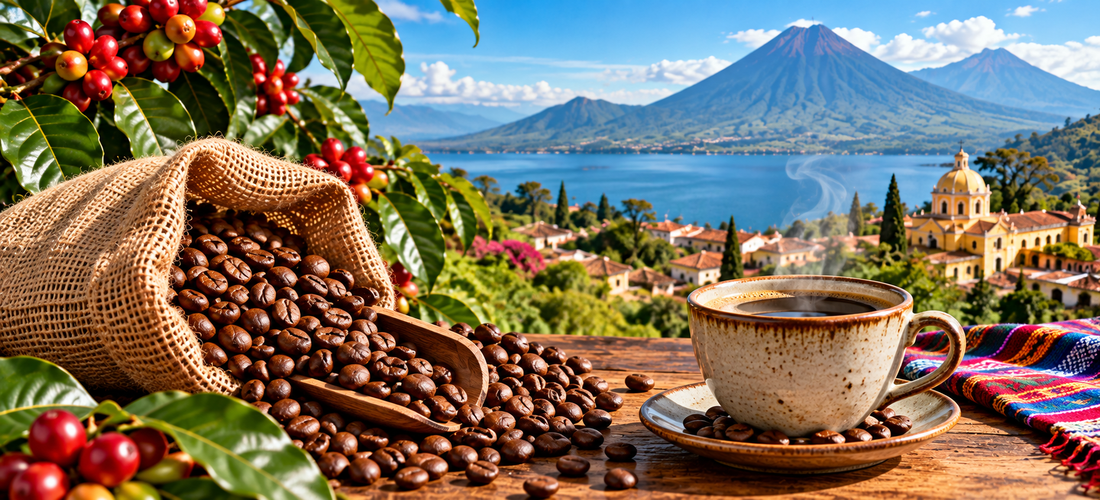
Guatemalan coffee beans are known for balanced sweetness, bright acidity, and flavors ranging from chocolate and caramel to citrus and berries.
What Are Guatemalan Coffee Beans? Origins and Key Characteristics
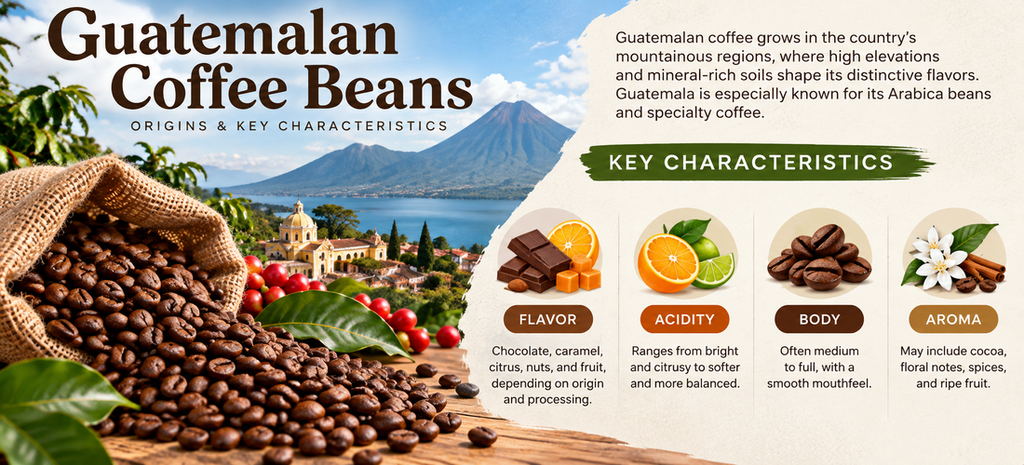
Guatemalan coffee grows in the country’s mountainous regions, where high elevations and mineral-rich soils shape its distinctive flavors. Guatemala is especially known for its Arabica beans and specialty coffee.
Key characteristics of Guatemalan coffee include:
- Flavor: Chocolate, caramel, citrus, nuts, and fruit, depending on origin and processing.
- Acidity: Ranges from bright and citrusy to softer and more balanced.
- Body: Often medium to full, with a smooth mouthfeel.
- Aroma: May include cocoa, floral notes, spices, and ripe fruit.
Guatemalan coffee often features a full body, bright acidity, and natural sweetness, with flavors that vary by region and farm.
Best Guatemalan Coffee Beans: Brands Worth Trying
The best Guatemalan coffee depends on your preferred roast level and flavor profile. These three options offer different ways to explore the country’s coffee.
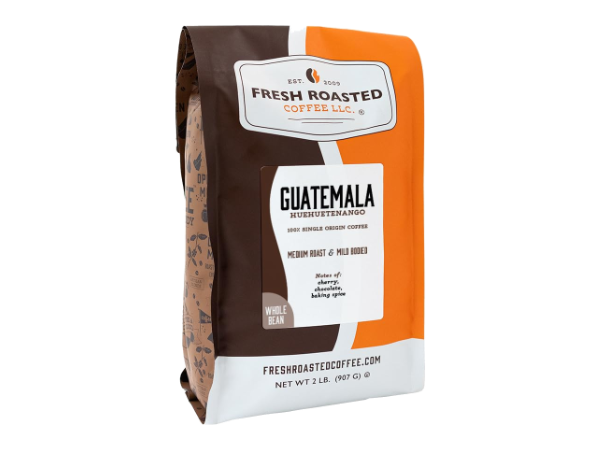
Fresh Roasted Coffee Guatemala Huehuetenango
Fresh Roasted Coffee Guatemala Huehuetenango is a medium-roast, single-origin coffee with a mild body and a balanced flavor profile.
Key Features:
- Origin: Huehuetenango, Guatemala
- Bean Type: 100% Arabica, Caturra and Bourbon varieties
- Roast Level: Medium
- Flavor Notes: Cherry, chocolate, and baking spices
- Processing: Fully washed and sun-dried
Its combination of fruit, chocolate, and spice works well with drip coffee makers, pour-over brewers, and French presses.
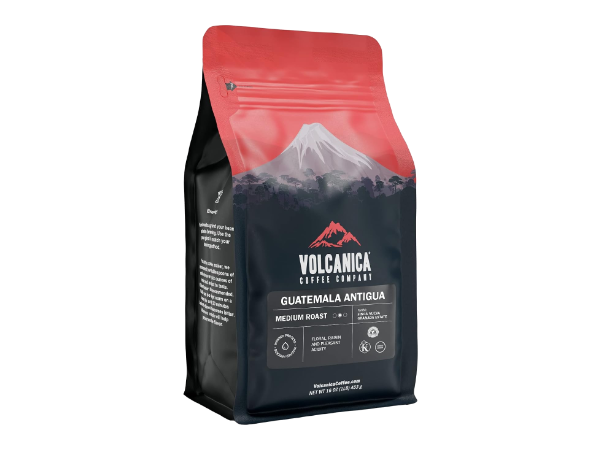
Volcanica Guatemala Antigua USDA Organic
This medium-roast coffee is known for its full body, smooth taste, and relatively low acidity, with fruity and floral notes that distinguish it from more traditional chocolate-forward coffees.
Key Features:
- Origin: Antigua, Guatemala
- Farm: La Hermosa Estate
- Roast Level: Medium
- Flavor Notes: Berries, green apple, jasmine, and sweet lemon
- Certifications: USDA Organic and Kosher certified
This coffee is worth trying if you enjoy a fuller-bodied cup with fruity complexity and delicate floral aromas.
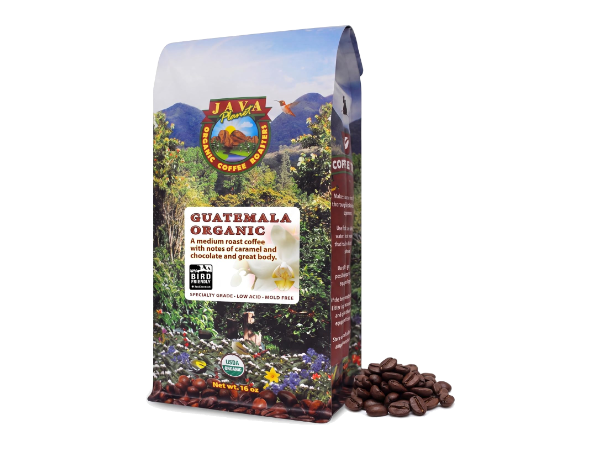
Java Planet Guatemalan Single-Origin Coffee
Java Planet Organic Guatemala is a medium-roast, single-origin coffee with naturally sweet caramel and chocolate notes.
Key Features:
- Origin: Guatemala
- Bean Type: Specialty-grade Arabica
- Roast Level: Medium
- Flavor Notes: Caramel and chocolate
- Certifications: USDA Organic and Bird Friendly®
The brand offers whole-bean and ground versions, and its small-batch roasting process includes a roast date on each bag to help buyers assess freshness.
What Does Guatemalan Coffee Taste Like? Flavor Notes, Acidity & Body
Guatemalan coffee is often appreciated for its balance between sweetness, acidity, and body. Some coffees lean toward chocolate and nuts, while others are brighter, with citrus or floral aromas.
Here is a simple guide to common flavor characteristics:
| Flavor characteristic | What you may notice |
|---|---|
| Chocolate and cocoa | A rich, rounded taste, sometimes with a bittersweet finish |
| Caramel and brown sugar | Gentle sweetness that balances acidity |
| Citrus and stone fruit | A lively, refreshing character |
| Berries and tropical fruit | Juicy, fruit-forward flavors, particularly in some naturally processed coffees |
| Floral and spicy notes | Aromatic complexity that varies by region and processing |
Acidity does not necessarily mean sourness. In specialty coffee, it often describes a pleasant brightness that makes the cup feel lively. Roast level, grind size, and brewing technique also influence the final taste.
Guatemala’s Coffee-Growing Regions: Antigua, Huehuetenango & Beyond
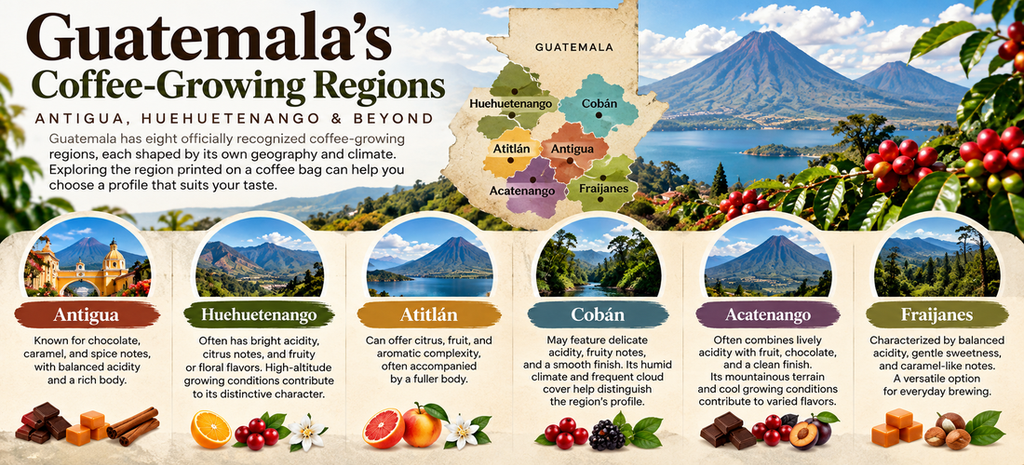
Guatemala has eight officially recognized coffee-growing regions, each shaped by its own geography and climate. Exploring the region printed on a coffee bag can help you choose a profile that suits your taste.
Antigua
Antigua coffee is known for chocolate, caramel, and spice notes, with balanced acidity and a rich body. It is a good choice for those who enjoy a smooth, full-flavored cup.
Huehuetenango
Coffee from Huehuetenango often has bright acidity, citrus notes, and fruity or floral flavors. Its high-altitude growing conditions contribute to its distinctive character.
Atitlán
Atitlán coffee can offer citrus, fruit, and aromatic complexity, often accompanied by a fuller body. The region’s volcanic landscape provides a distinctive growing environment.
Cobán
Cobán coffee may feature delicate acidity, fruity notes, and a smooth finish. Its humid climate and frequent cloud cover help distinguish the region’s growing conditions.
Acatenango
Acatenango coffee often combines lively acidity with fruit, chocolate, and a clean finish. Its mountainous terrain and cool growing conditions contribute to varied flavor profiles.
Fraijanes
Fraijanes coffee is often characterized by balanced acidity, gentle sweetness, and caramel-like notes. It can be a versatile option for everyday brewing.
How Altitude and Volcanic Soil Influence Guatemalan Coffee
Elevation plays an important role in Guatemala’s coffee production. Cooler temperatures at higher altitudes can slow the maturation of coffee cherries, influencing bean density and the development of complex flavors.
- High altitude: Cooler temperatures can slow cherry maturation, contributing to denser beans and complex flavors.
- Volcanic soil: Mineral-rich soils support coffee cultivation in regions such as Antigua.
- Growing conditions: Rainfall, shade, and temperature also affect coffee quality.
Altitude and soil are only part of the story. Coffee variety, harvesting, processing, and roasting also determine the final taste.
Coffee Processing Methods in Guatemala: Washed, Natural & Honey
Washed process: The fruit is removed before the beans are dried. Washed coffees often have a clean finish and clearly defined acidity, making this a good option for highlighting the characteristics of a particular growing region.
Natural process: The whole coffee cherry dries around the bean. This method can produce more pronounced fruit flavors, greater perceived sweetness, and a fuller body.
Honey process: The outer skin and pulp are removed, but some sticky mucilage remains around the bean during drying. The resulting cup may offer a combination of sweetness, fruitiness, and a rounded mouthfeel.
| Process | Typical flavor direction | Choose it for |
|---|---|---|
| Washed | Clean, bright, well-defined | Citrus, floral notes, and origin clarity |
| Natural | Fruity, sweet, full-bodied | Berry-like flavors and a richer mouthfeel |
| Honey | Sweet, rounded, fruit-forward | A balance between clarity and sweetness |
These descriptions are general guidelines rather than guarantees. Processing results depend on the producer’s methods and the coffee itself.
How to Brew Guatemalan Coffee to Bring Out Its Best Flavors
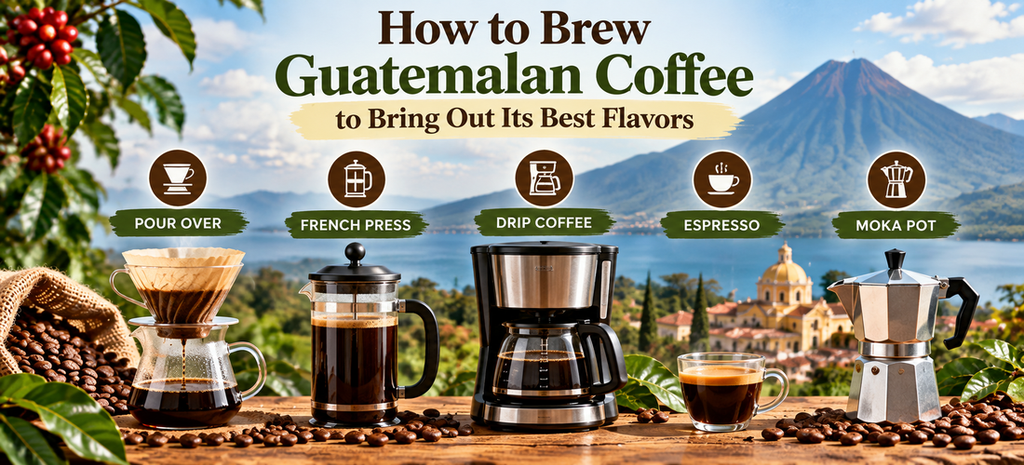
You do not need special equipment to enjoy Guatemalan coffee. A few adjustments to grind size, water temperature, and coffee-to-water ratio can help you find a balanced cup.
Pour-Over or Drip Coffee
Pour-over and drip brewing are good choices for highlighting acidity, sweetness, and individual flavor notes.
- Coffee: 20 g
- Water: 320 g
- Ratio: 1:16
- Water temperature: About 195–205°F (90–96°C)
- Grind: Medium to medium-fine for most pour-over brewers
Start with a medium roast and adjust the grind if the coffee tastes too bitter or too weak.
French Press
A French press can emphasize body and give chocolate- or caramel-forward coffees a rounder mouthfeel.
- Coffee: 25 g
- Water: 375 g
- Ratio: 1:15
- Grind: Coarse
- Starting brew time: About 4 minutes before plunging
If the cup tastes harsh, try a slightly coarser grind or a shorter brew time. If it tastes thin or underdeveloped, grind a little finer.
Espresso
For espresso, medium to medium-dark Guatemalan beans can provide a satisfying balance of sweetness, body, and acidity. Start with the recipe recommended for your machine, then adjust the grind and yield to taste.
Whatever method you choose, use freshly ground beans and clean-tasting water. Brew one coffee in different ways before switching beans; this makes it easier to identify which flavors you enjoy most.