
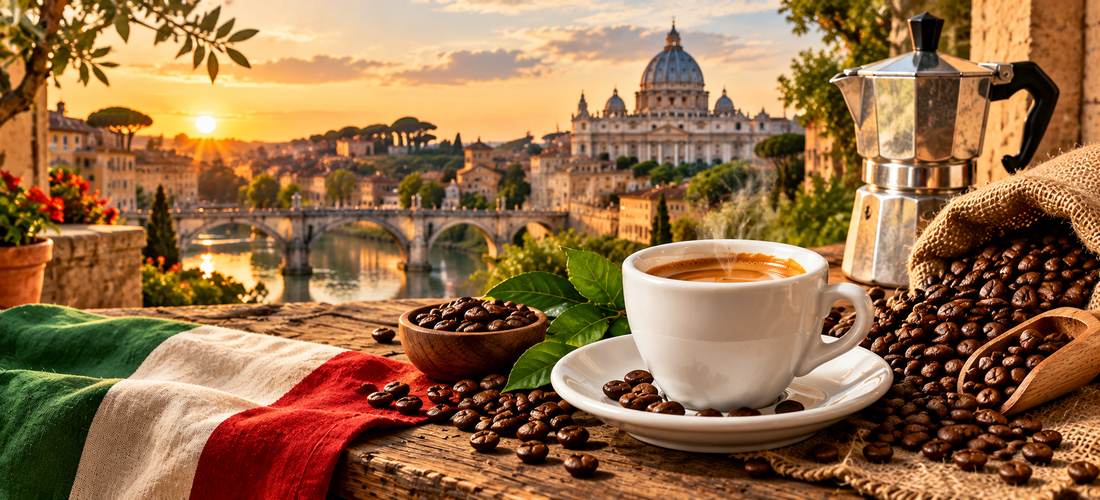
Italian roasters combine beans from different countries to create blends with distinctive flavors, from chocolate and roasted nuts to caramel and spices.
The History of Italian Coffee: From Venice to Espresso Culture
Coffee became popular in Italy through trade with the Middle East, and Venice helped spread it across Europe. By the seventeenth century, Venetian coffeehouses had become popular meeting places. One famous example is Caffè Florian, which opened in 1720 and still operates today.
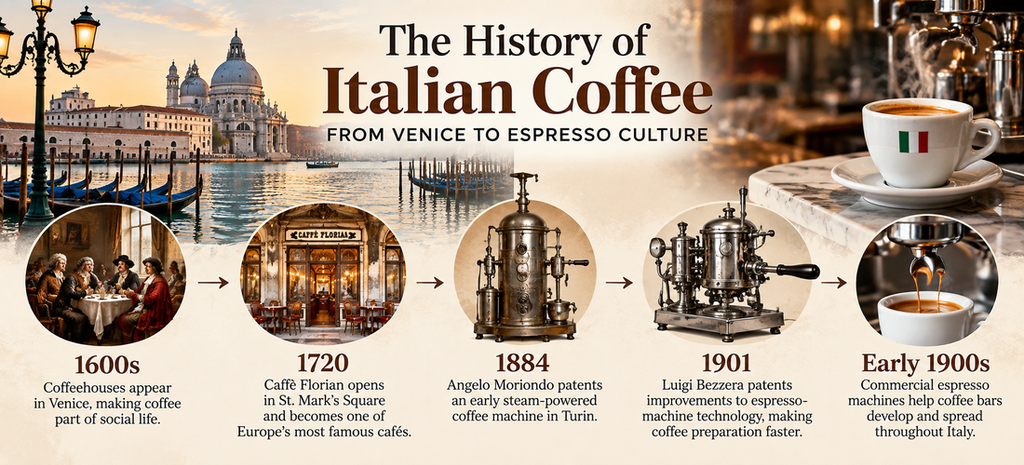
Several developments helped shape Italy’s coffee tradition:
- 1600s: Coffeehouses began appearing in Venice, making coffee part of urban social life.
- 1720: Caffè Florian opened in St. Mark’s Square, becoming one of Europe’s historic cafés.
- 1884: Angelo Moriondo patented an early steam-powered coffee machine in Turin.
- 1901: Luigi Bezzera patented improvements to espresso-machine technology, helping make coffee preparation faster.
- Early 1900s: Commercial espresso machines helped coffee bars develop and spread throughout Italy.
The next major change came with the development of espresso machines. In 1901, Italian inventor Luigi Bezzera patented a machine that helped shape modern espresso preparation.
Best Italian Coffee Beans: 5 Brands Worth Trying
Italian coffee brands offer different flavor profiles, from smooth Arabica blends to intense espresso with a heavier body. These ten options are worth considering when choosing whole beans for home brewing.
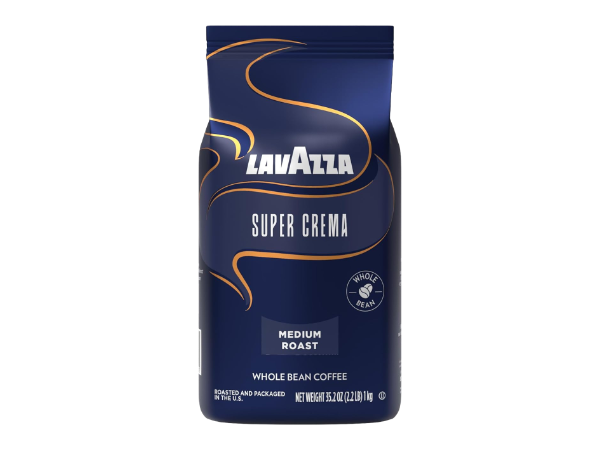
Lavazza Super Crema
Lavazza Super Crema is a medium-roast blend of Arabica and Robusta beans. It has a rounded body with notes of roasted hazelnut and brown sugar, making it a versatile choice for traditional espresso at home.
Key Features:
- Bean Type: Arabica and Robusta
- Roast Level: Medium
- Flavor Notes: Roasted hazelnut and brown sugar
- Body: Medium, with a rounded flavor profile
- Best For: Espresso machines
Lavazza Super Crema is worth considering if you enjoy a balanced espresso with nutty sweetness rather than an especially dark, smoky roast.
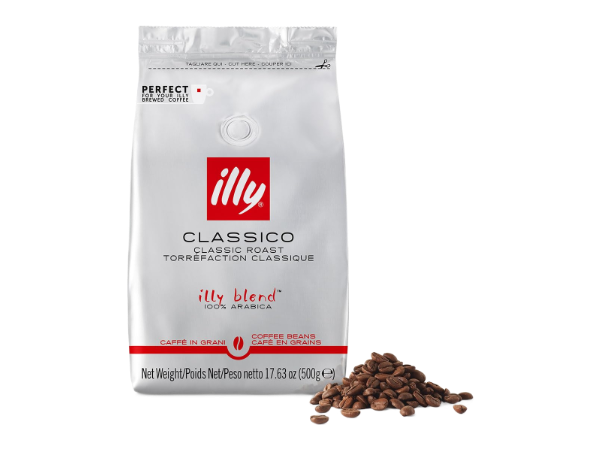
illy Classico Whole Bean
illy Classico is a medium-roast coffee made from 100% Arabica beans. It has a smooth, velvety taste with delicate notes of caramel, orange blossom, and jasmine, followed by a sweet finish.
Key Features:
- Bean Type: 100% Arabica
- Roast Level: Medium
- Flavor Notes: Caramel, orange blossom, and jasmine
- Taste: Smooth, with a sweet aftertaste
- Best For: Espresso, moka pots, and filter coffee
Unlike more intense espresso blends, illy Classico emphasizes aromatic complexity and a smooth finish.
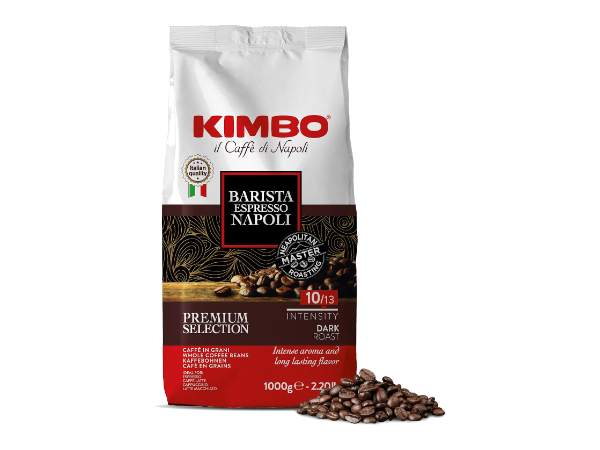
Kimbo Espresso Napoli
Kimbo Napoli is a dark-roast coffee inspired by Naples’ traditional espresso culture. Its aromatic profile combines floral notes with hints of baked bread, creating a bold cup with a characteristic Italian espresso style.
Key Features:
- Bean Type: Arabica, according to Kimbo’s U.S. whole-bean listing
- Roast Level: Dark
- Intensity: 10/13
- Flavor Notes: Floral aromas and baked bread
- Best For: Espresso, moka pots, and filter coffee
Kimbo Napoli is worth trying if you enjoy darker roasts and a pronounced coffee aroma. Despite its intense profile, its floral notes add a different dimension to the traditional roasted flavor.
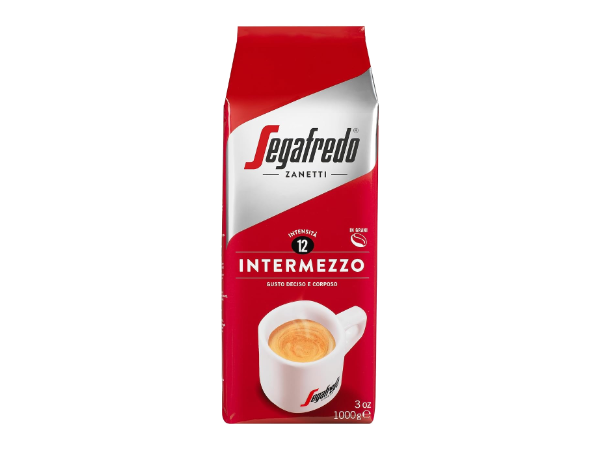
Segafredo Intermezzo
The blend has an intense aroma with a hint of almond and a dark roast profile suited to traditional espresso preparation.
Key Features:
- Bean Type: Arabica and Robusta
- Roast Level: Dark
- Intensity: 12/13
- Flavor Notes: Almond and intense coffee aromas
- Best For: Espresso machines and moka pots
Segafredo Intermezzo is a suitable choice for those who prefer a stronger cup with noticeable bitterness and a substantial body.
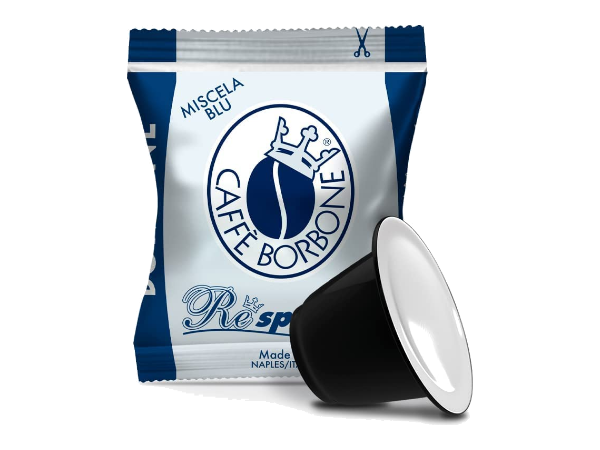
Caffè Borbone
It delivers a full-bodied espresso with chocolate notes, hints of toasted nuts, and a lasting finish. The blend is designed to produce a rich crema when properly extracted.
Key Features:
- Bean Type: Arabica and Robusta
- Roast Level: Dark
- Intensity: 8/10
- Flavor Notes: Chocolate and toasted nuts
- Best For: Espresso, moka pots, cappuccino, and latte
Miscela Blu is worth considering if you enjoy bold Italian coffee with a rich texture and a balance of bitterness and sweetness.
What Makes Italian Coffee Different from Other Coffee Styles?
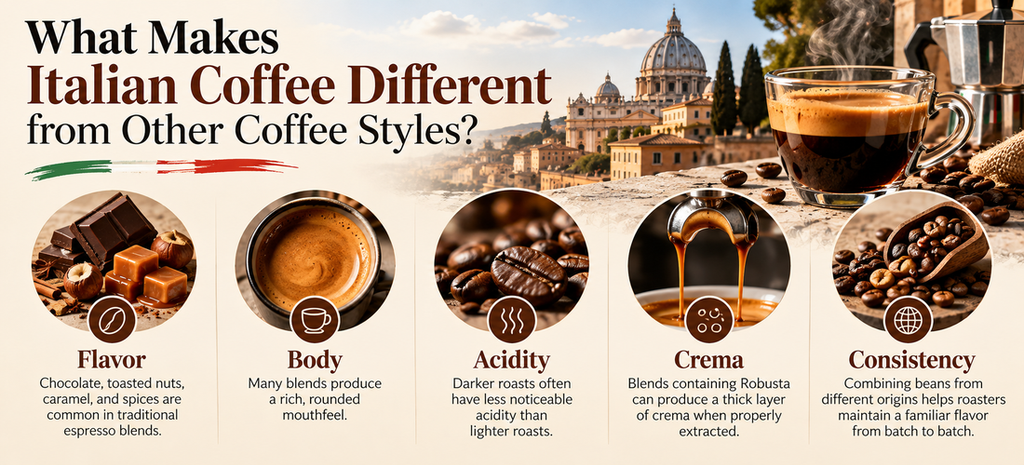
Italian coffee is not defined by a single bean variety or growing region. Its character comes largely from roasting techniques, blending, and the way coffee is prepared.
Common characteristics include:
- Flavor: Chocolate, toasted nuts, caramel, and spices are common in traditional espresso blends.
- Body: Many blends produce a rich, rounded mouthfeel.
- Acidity: Darker roasts often have less noticeable acidity than lighter roasts.
- Crema: Espresso blends containing Robusta can produce a thick layer of crema when properly extracted.
- Consistency: Combining beans from different origins helps roasters maintain a familiar flavor from batch to batch.
Italian coffee is not always dark or bitter. Some blends use 100% Arabica beans and emphasize sweetness, delicate aromas, and a smoother finish.
How Italy Turned Espresso into a Daily Ritual
Espresso became part of everyday life in Italy because it is quick to prepare and easy to enjoy during a short break. Coffee bars turned into popular meeting places where people could enjoy a cup, exchange a few words, and continue with their day.
A typical Italian coffee break is simple:
- A quick stop: Order an espresso at the counter.
- A small serving: Enjoy the concentrated coffee in just a few sips.
- A social moment: Catch up with a friend or chat with the barista.
At home, the moka pot made it easier to prepare strong coffee without an espresso machine. Together, these traditions turned coffee into more than a drink — it became a familiar part of Italy’s daily routine.
Italian Coffee Traditions Around the Table: Cappuccino, Macchiato & More
Italian coffee menus include several drinks made with espresso, milk, or hot water. Knowing the differences can help you decide which beans will work best for your preferred drink.
| Coffee drink | What it contains | Flavor and texture |
|---|---|---|
| Espresso | Concentrated coffee | Rich and intense |
| Ristretto | Short espresso extraction | Concentrated, often syrupy |
| Lungo | Espresso extracted with more water | Larger serving, potentially more bitter |
| Cappuccino | Espresso, steamed milk, and foam | Creamy and balanced |
| Caffè macchiato | Espresso with a little milk | Strong with a softer finish |
| Caffè latte | Espresso and a larger amount of steamed milk | Mild and milky |
| Caffè americano | Espresso diluted with hot water | Longer, less concentrated per sip |
Cappuccino is traditionally associated with Italian breakfast, often served alongside a pastry. Espresso, by contrast, is enjoyed throughout the day and frequently after meals. These are common customs rather than strict rules.
Arabica vs. Robusta: The Art of Italian Coffee Blends
Arabica and Robusta contribute different qualities to Italian coffee blends. Understanding their differences makes it easier to choose a coffee that matches your preferences.
| Characteristic | Arabica | Robusta |
|---|---|---|
| Flavor | Often sweet, fruity, or floral | Often earthy, nutty, or bitter |
| Acidity | Generally higher | Generally lower |
| Body | Often smooth and rounded | Often heavier |
| Caffeine | Usually lower | Usually higher |
| Common use | Aromatic, balanced blends | Strong espresso blends |
Arabica is a good starting point if you enjoy delicate aromas, sweetness, and a more complex flavor. Robusta can be useful when you prefer a heavier body, stronger bitterness, and abundant crema.
Many Italian roasters combine both varieties to balance flavor, body, and intensity. The ideal ratio depends on the blend and the intended brewing method.
Northern vs. Southern Italian Coffee: How Regional Tastes Differ
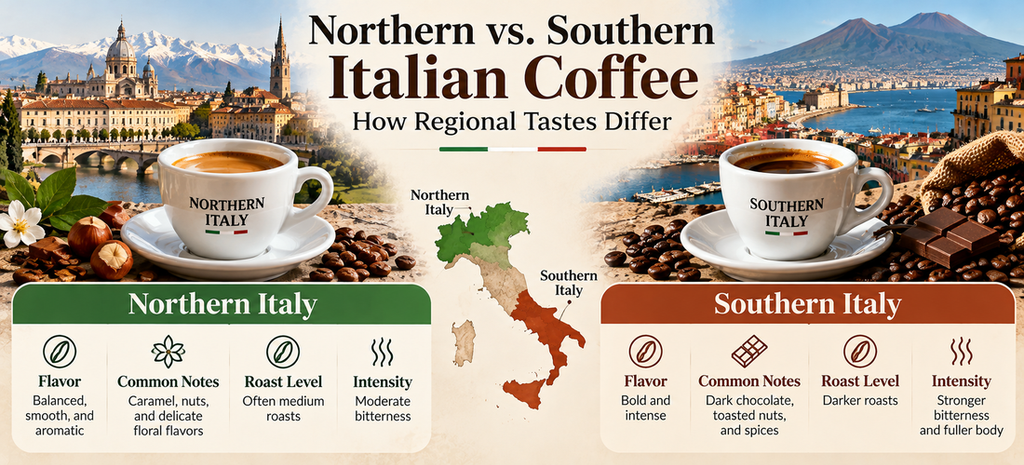
Italian coffee traditions vary by region, particularly in roast level, intensity, and flavor. Northern and southern Italy have developed distinct coffee styles, although individual roasters offer a wide range of blends.
Northern Italy
Northern Italian coffee often emphasizes balance, smoothness, and aromatic complexity. Depending on the blend and roast, you may notice notes of caramel, nuts, or delicate flowers, with moderate bitterness.
Southern Italy
Southern Italy, especially Naples, is known for bold espresso and darker roasts. Many traditional blends include Robusta, which contributes a fuller body, stronger bitterness, and a rich crema.
These regional differences are general tendencies rather than strict rules. When choosing Italian coffee beans, consider the specific blend, roast level, and flavor notes rather than relying on region alone.
How to Choose Italian Coffee Beans for Espresso, Moka Pots & Drip Brewers
The best Italian coffee beans depend on your brewing method and preferred flavor. Roast level and the balance of Arabica and Robusta influence the coffee’s strength, aroma, and body.
Coffee Beans for Espresso
Choose medium-dark or dark roasts for rich espresso with chocolate, nutty, or caramel notes. Robusta blends offer a stronger taste and more crema, while 100% Arabica is often smoother and more aromatic.
Coffee Beans for Moka Pots
Medium and medium-dark roasts work well in moka pots, producing rich coffee with balanced bitterness. Use a fine grind, but avoid packing the grounds tightly into the basket.
Coffee Beans for Drip Coffee Makers
Medium roasts offer a good balance of sweetness, body, and aroma. Choose darker roasts for a bolder taste or Arabica blends for a smoother cup with more delicate flavors.
How to Make Italian-Style Coffee at Home: Traditional Methods & Tips
You can prepare Italian-style coffee without professional café equipment. The most important factors are the grind size, coffee-to-water ratio, and brewing method.
Espresso Machine
Start with approximately 18 g of ground coffee and aim for around 36 g of espresso in 25–30 seconds. These are starting points rather than universal rules; adjust the grind and extraction to suit your beans and machine.
Moka Pot
Fill the lower chamber with water to the manufacturer’s recommended level and place loosely filled grounds in the filter basket. Heat over medium-low heat and remove the pot when brewing is nearly complete to avoid overheating the coffee.
Drip Coffee Maker
A coffee-to-water ratio of approximately 1:16 is a useful starting point. For example, use 20 g of coffee with 320 g of water. Adjust the grind and ratio if the result tastes too weak or too bitter.
Tips for Better Italian-Style Coffee
- Grind beans just before brewing.
- Use fresh, clean-tasting water.
- Store coffee in an airtight container away from heat, light, and moisture.
- Clean your equipment regularly to prevent old coffee oils from affecting the taste.
- Change one brewing variable at a time to identify what improves your cup.
The best Italian coffee beans are the ones that suit your taste and brewing method. Start with a blend that matches your preferred intensity, then experiment with different roasts and Arabica-Robusta combinations.