
A good cappuccino starts with the right coffee beans. Because espresso is combined with steamed milk and a layer of foam, the coffee needs enough body and flavor to remain noticeable.
What Makes a Coffee Bean Good for Cappuccino?
The best coffee beans for cappuccino usually produce a full-bodied espresso with balanced acidity and strong aroma. Very delicate coffees can become difficult to taste once milk is added, while extremely dark roasts may make the drink overly bitter.
Look for beans with:
- Full body — creates a rich espresso base.
- Balanced acidity — keeps the cappuccino smooth.
- Strong aroma — helps the coffee stand out through the milk.
- Chocolate or nutty notes — pair naturally with steamed milk.
- Good espresso performance — produces a concentrated, flavorful shot.
Freshly roasted whole beans are also preferable because they generally provide more aroma and flavor than pre-ground coffee.
7 Best Coffee Beans for Cappuccino
The following beans and blends offer different roast levels and flavor profiles, so you can choose according to how you like your cappuccino.
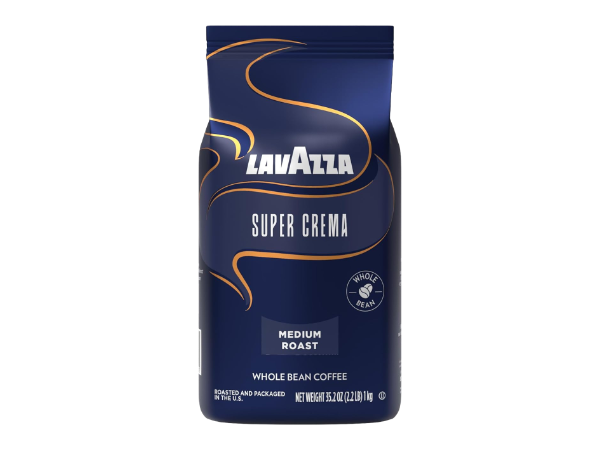
Lavazza Super Crema
Lavazza Super Crema is designed around the style of Italian espresso, making it a natural option for milk-based drinks. The blend combines Arabica and Robusta and has a pronounced aroma with a medium body.
Key features:
- Roast: Medium-light
- Bean blend: Arabica and Robusta
- Flavor notes: Honey and roasted nuts
- Body: Medium
- Aroma: Pronounced and aromatic
- Best for: Smooth, creamy cappuccinos
Super Crema is particularly suitable if you prefer a cappuccino that tastes smooth and slightly sweet rather than strongly roasted.
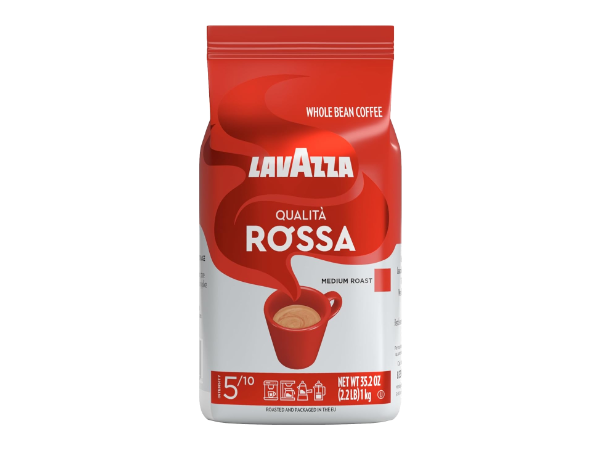
Lavazza Qualità Rossa
Lavazza Qualità Rossa is a classic Arabica and Robusta blend with a rounded flavor profile. Lavazza describes the coffee as full-bodied and balanced, with soft chocolate and dried-fruit characteristics.
Key features:
- Roast: Medium
- Bean blend: Arabica and Robusta
- Flavor notes: Chocolate and dried fruit
- Body: Full and rounded
- Aroma: Rich and pronounced
- Best for: Everyday cappuccinos
Qualità Rossa is a good choice for drinkers who want a familiar Italian-style coffee flavor. Its chocolate character also pairs naturally with the sweetness of steamed milk.
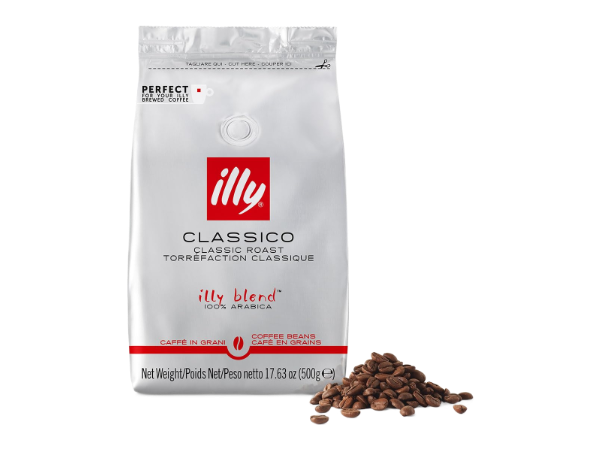
illy Classico Whole Bean
illy Classico takes a different approach with a 100% Arabica blend and a medium roast. The coffee has a smooth, velvety character with caramel, orange blossom, and jasmine notes, followed by a sweet finish.
Key features:
- Roast: Medium
- Bean type: 100% Arabica
- Flavor notes: Caramel, orange blossom, jasmine
- Body: Smooth and velvety
- Acidity: Balanced and relatively delicate
- Best for: Refined, balanced cappuccinos
It is especially appealing for cappuccino drinkers who enjoy sweetness and floral aromas.
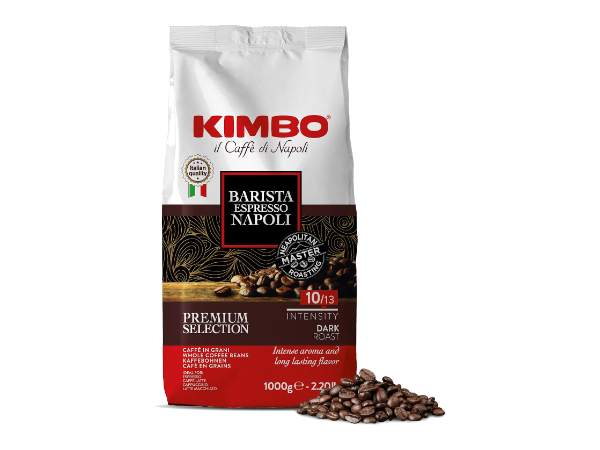
Kimbo Espresso Napoletano
Kimbo Espresso Napoletano represents the traditional Neapolitan approach to espresso. The blend uses Arabica and Robusta and is designed to produce substantial body and persistent crema.
Key features:
- Roast: Medium-dark to dark, depending on the specific Napoletano product
- Bean blend: 80% Arabica and 20% Robusta
- Flavor character: Cocoa, toasted and spicy notes
- Body: Full
- Crema: Thick and persistent
- Best for: Traditional Italian-style cappuccino
The added Robusta gives this espresso blend extra body and intensity, which can be useful when milk and foam make up a significant part of the drink.
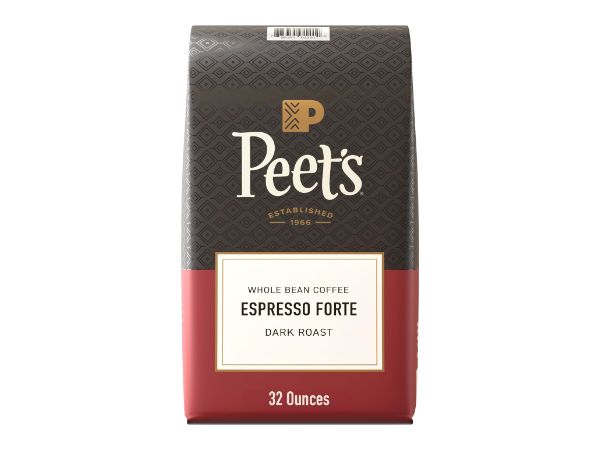
Peet’s Espresso Forte
Peet’s Espresso Forte is a dark-roast blend created specifically with espresso in mind. The company describes it as having a stout body, rich flavor, and crema, with a profile built around chocolate truffle, lemon curd, and hazelnut.
Key features:
- Roast: Dark
- Flavor notes: Chocolate truffle, lemon curd, hazelnut
- Body: Stout and rich
- Crema: Designed for a strong espresso base
- Preparation: Available for espresso and whole-bean grinding
- Best for: Bold cappuccinos and other milk drinks
The chocolate and hazelnut notes can add richness to the finished cappuccino without relying on flavored syrups.
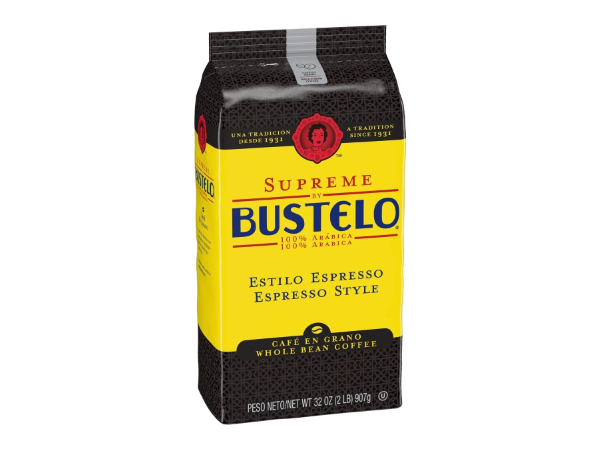
Café Bustelo Espresso Style
Unlike the whole-bean options above, the classic Espresso Style product is traditionally sold as finely ground coffee, so it is worth checking the specific format before buying.
Key features:
- Roast: Dark
- Style: Espresso-style coffee
- Flavor: Rich and bold
- Body: Full-bodied
- Character: Intense and roasted
- Best for: Strong, budget-friendly cappuccinos
For a home cappuccino, it is a practical choice for those who prefer a darker, more intense coffee taste.
Death Wish Coffee Whole Bean
Death Wish Coffee Dark Roast is designed for a particularly bold cup, combining Arabica and Robusta beans. The manufacturer describes its profile with cocoa and cherry aromas, baker’s chocolate flavor, low acidity, and a heavy, smooth body.
Key features:
- Roast: Dark
- Bean blend: Arabica and Robusta
- Flavor notes: Baker’s chocolate and cherry
- Acidity: Low
- Body: Heavy and smooth
- Best for: Strong, chocolate-forward cappuccinos
The heavier body makes this coffee a good match for people who don’t want milk to dominate the espresso.

What Roast Is Best for Cappuccino?
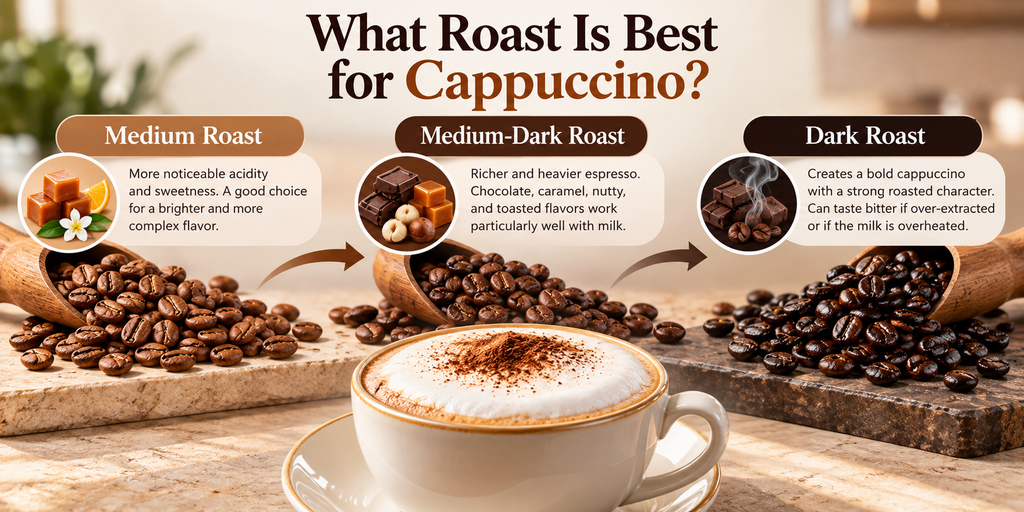
Medium to medium-dark roast is usually the easiest choice for cappuccino. These roasts can provide enough body and intensity to balance the milk without overwhelming the drink with bitterness.
Medium roast
Medium-roast beans often have more noticeable acidity and sweetness. They are a good choice if you want a cappuccino with a brighter and more complex coffee flavor.
Medium-dark roast
Medium-dark beans typically produce a richer and heavier espresso. Chocolate, caramel, nutty, and toasted flavors work particularly well with steamed milk.
Dark roast
Dark-roasted beans can create a bold cappuccino with a strong roasted character. However, some dark roasts may taste bitter when combined with high extraction or overheated milk.
Which Coffee Flavors Pair Best With Steamed Milk?
Steamed milk naturally adds sweetness, creaminess, and a softer texture to espresso. Because of this, the flavor of the coffee becomes especially important. Beans with chocolate, caramel, nutty, or lightly toasted notes tend to complement milk rather than compete with it.
Best flavor combinations include:
- Chocolate + milk
- Caramel + milk
- Hazelnut + milk
- Almond + milk
- Brown sugar + milk
- Toasted or nutty notes + milk
- Mild fruit notes + milk
For a classic cappuccino, chocolate, caramel, and nutty flavors are particularly easy choices.
Should You Use Arabica or Robusta for Cappuccino?
Both can work, but they create different results.
Arabica generally offers a smoother and more nuanced flavor, making it a good choice for cappuccinos where you want sweetness and complexity.
Robusta tends to provide more intensity, bitterness, body, and a stronger espresso character. It can also be useful in espresso blends designed for milk-based drinks.
| Bean type | Cappuccino character |
|---|---|
| Arabica | Smooth, aromatic, balanced |
| Robusta | Strong, bold, heavier body |
| Arabica + Robusta | Balanced flavor and intensity |
A blend of Arabica and Robusta can offer a middle ground: aromatic flavor from Arabica with additional body and intensity from Robusta.
How to Grind Coffee Beans for Cappuccino
For cappuccino, the coffee is normally prepared as espresso, so the beans should be finely ground.
The exact setting depends on your espresso machine and grinder. If the espresso runs too quickly and tastes weak, try a finer grind. If it takes too long and tastes bitter, a slightly coarser grind may help.
The goal is a concentrated espresso with a balanced flavor that can stand up to steamed milk.
How to Brew Espresso for a Better Cappuccino
Start with freshly roasted beans and grind them immediately before brewing. Use a consistent dose and distribute the grounds evenly in the portafilter before tamping.
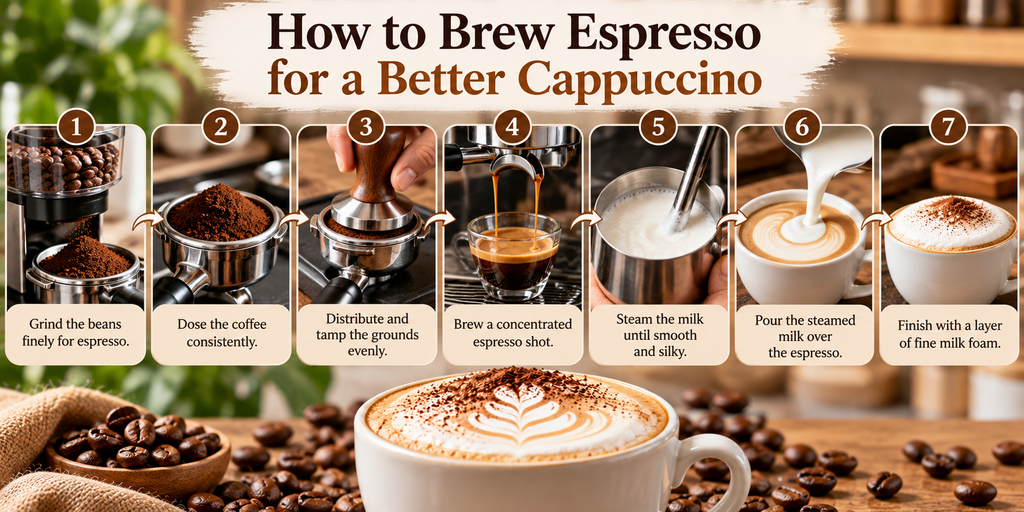
For a balanced cappuccino:
- Grind the beans finely for espresso.
- Dose the coffee consistently.
- Distribute and tamp the grounds evenly.
- Brew a concentrated espresso shot.
- Steam the milk until smooth and silky.
- Pour the steamed milk over the espresso.
- Finish with a layer of fine milk foam.
Avoid overheating the milk, as excessive heat can reduce its natural sweetness and make the cappuccino taste less balanced.
How Much Coffee Do You Need for a Cappuccino?
A traditional cappuccino is usually made with one espresso shot, although many modern coffee shops use a double shot.
For home espresso machines, a common starting point is around 18–20 grams of coffee for a double espresso, followed by steamed milk and foam.
The exact amount depends on your basket size, espresso machine, and preferred drink strength.
| Cappuccino style | Coffee starting point |
|---|---|
| Single-shot | About 7–10 g |
| Double-shot | About 18–20 g |
| Strong cappuccino | Double shot with a slightly more intense espresso blend |
The most important factor is balance: the espresso should remain noticeable without overpowering the sweetness and texture of the milk.